
For many Australian businesses, commercial vans and trucks are essential tools rather than optional assets. From deliveries and trades to logistics and service fleets, these vehicles operate under demanding conditions every day. As emissions regulations have tightened, diesel particulate filters have become standard on light commercial diesel vehicles. While these systems reduce emissions, they also introduce new maintenance challenges, particularly for fleets operating in stop-start environments.
Understanding why DPF cleaning for vans trucks Australia is needed more frequently helps fleet managers and small business owners avoid unnecessary downtime, reduce long-term costs, and maintain consistent vehicle performance. This article explains how DPF systems behave in light commercial vehicles, why they clog faster, and how proactive maintenance supports operational efficiency.
How DPF Systems Function in Commercial Vans and Trucks
A diesel particulate filter captures soot particles produced during combustion and prevents them from being released into the atmosphere. Over time, this soot must be removed through regeneration or physical cleaning. Light commercial vehicles use DPF systems similar in principle to passenger cars, but their operating patterns differ significantly.
Commercial vans and trucks often run multiple short trips, idle frequently, and carry variable loads. These conditions prevent the exhaust system from reaching the temperatures needed for effective regeneration. As a result, soot accumulates faster, making DPF cleaning commercial vehicle maintenance more frequent and more critical than in privately owned cars.
Why Commercial Vehicles Accumulate Soot Faster
Commercial vans and trucks face operational conditions that accelerate DPF soot accumulation compared to passenger cars. Frequent stop-start city driving prevents the exhaust from reaching the temperatures needed for complete regeneration, allowing soot and ash to build up over time. Extended idling during deliveries, traffic congestion, and short trips exacerbate the problem, as the engine does not reach optimal operating temperature.
Additionally, the heavier payloads common in commercial operations place extra strain on engines, increasing particulate emissions. Vehicles used in urban or suburban routes experience these conditions more intensely, making DPF cleaning for vans and trucks Australia a routine necessity. Proactive maintenance ensures that filters remain effective, prevents costly damage to turbochargers and sensors, and keeps fleets compliant with strict Australian emissions standards.
Impact of DPF Blockages on Business Operations
DPF blockages can have significant operational consequences beyond just vehicle performance. Limp mode activation, power loss, and repeated regeneration attempts can delay deliveries, disrupt scheduling, and increase driver stress. For fleets, even a single vehicle out of service can affect overall productivity, staffing allocation, and customer commitments. In addition to downtime, unexpected breakdowns can require emergency repairs or towing, which further increase costs.
A blocked DPF also leads to higher fuel consumption and reduced engine efficiency, compounding operational expenses. By implementing a regular DPF cleaning schedule, businesses can minimise these disruptions, maintain reliable service, and ensure that commercial vehicles operate at peak performance, protecting both revenue and reputation.
Financial Implications of Ignoring DPF Maintenance
Neglecting DPF maintenance can create a ripple effect of financial consequences for businesses. Replacement of a damaged or clogged filter often costs thousands of dollars, not including labour or vehicle downtime. Beyond replacement, uncleaned DPFs reduce engine efficiency, increase fuel consumption, and can accelerate wear on other critical components such as the turbocharger and sensors.
Over time, these costs accumulate and may outweigh the savings of delaying preventative maintenance. Regular DPF cleaning for trucks and vans in Australia is a cost-effective alternative, offering restored exhaust flow, improved fuel economy, and compliance with emissions regulations at a fraction of replacement cost. For businesses managing multiple vehicles, preventative servicing represents a smart investment in both operational efficiency and long-term savings.
Differences Between Light Commercial and Heavy Truck DPF Systems
Although both use diesel particulate filters, light commercial vehicles differ from heavy trucks in several ways. Heavy trucks often operate at sustained speeds and higher loads, which naturally support regeneration. Light commercial vehicles, by contrast, rarely achieve these conditions consistently.
Because of this, DPF cleaning commercial vehicle services for vans and light trucks focus on more frequent interventions and careful handling of smaller filter units. Understanding this distinction helps businesses choose appropriate maintenance schedules.
Fleet DPF Service as a Preventative Strategy
Implementing a structured fleet DPF service plan is a proactive strategy that helps businesses avoid costly repairs and operational disruptions. By scheduling DPF maintenance based on mileage, route types, and engine load, companies can prevent sudden blockages that would otherwise trigger warning lights or limp mode. Engaging a dpf professional cleaner ensures that each service is carried out effectively, protecting internal filter components and maximising lifespan. A preventative approach also allows fleet managers to forecast costs and allocate resources efficiently, avoiding emergency interventions.
For fleets with mixed vehicle types, including vans and trucks, coordinated servicing ensures consistency across the entire operation. This strategy not only prolongs DPF lifespan but also enhances compliance with emissions regulations, reducing the risk of fines or environmental penalties.
How DPF Cleaning Reduces Downtime
Unexpected DPF failures can significantly disrupt business operations, especially for fleets relying on multiple commercial vehicles. When a filter becomes blocked, regeneration attempts may fail, causing limp mode or even temporary vehicle immobilisation. Professional DPF cleaning restores optimal airflow, removes soot and ash, and ensures sensor accuracy, allowing vehicles to return to service promptly.
Regular servicing before critical restrictions occur prevents sudden breakdowns, giving fleet managers control over maintenance schedules. By minimising unplanned downtime, businesses can maintain delivery schedules, avoid revenue losses, and reduce the need for emergency towing or repairs, ensuring smooth, predictable fleet operations even in high-demand periods.
Performance and Fuel Efficiency Benefits
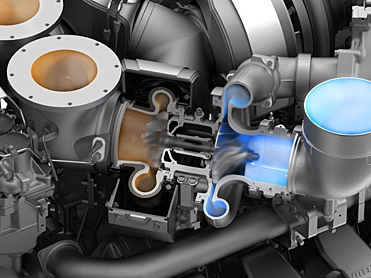
A clean DPF directly improves engine performance and fuel efficiency. Reduced back pressure allows the engine to breathe freely, enhancing acceleration, responsiveness, and load-carrying capability. For commercial fleets operating daily, even minor improvements in fuel economy can translate into substantial cost savings over time.
Regular DPF cleaning also reduces engine strain and wear on turbochargers, sensors, and exhaust components, lowering long-term maintenance costs. By investing in professional DPF cleaning for vans and trucks in Australia, businesses maintain consistent vehicle performance, protect engine longevity, and maximise operational efficiency.
Choosing the Right DPF Cleaning Provider
Selecting the right DPF cleaning provider is crucial to ensure long-term vehicle performance and avoid costly mistakes. Experienced providers use advanced cleaning techniques such as ultrasonic or thermal methods that target both soot and ash without harming delicate filter components. They also perform diagnostic checks to identify any underlying issues that may contribute to premature clogging, such as fuel system problems or turbocharger faults.
Additionally, a reliable provider will offer guidance on preventive maintenance, ensuring filters stay clean longer. Investing in a reputable DPF cleaning company reduces the risk of recurring problems, minimizes downtime, and protects the engine, sensors, and overall vehicle performance.
Maintenance Scheduling for Commercial Fleets
Effective maintenance scheduling is essential for commercial fleets, as improper intervals can lead to unexpected breakdowns or increased fuel consumption. Rather than relying solely on manufacturer-recommended schedules, fleet managers should assess real-world usage patterns. Urban delivery vehicles experience frequent stop-start driving, creating more soot buildup than long-distance highway trucks.
Implementing a proactive inspection and data tracking system allows fleet managers to monitor DPF performance, identify trends, and schedule cleanings at the ideal time. This strategic approach reduces operational disruptions, extends the life of DPF units, and ensures consistent fuel efficiency, ultimately saving fleets both time and money while maintaining vehicle reliability.
Environmental and Compliance Considerations
Maintaining clean DPF systems is not just about performance it’s a key part of environmental responsibility and regulatory compliance. Vehicles with clogged or poorly maintained filters emit higher levels of particulate matter, contributing to local air pollution and health risks. For businesses operating commercial vans, trucks, or light vehicles, ensuring DPF efficiency helps meet Australian emissions standards and avoid fines or inspections failures. Proactive cleaning also demonstrates corporate responsibility, showing clients and the public that the company prioritizes sustainable practices. Regular maintenance reduces harmful emissions, supports cleaner urban environments, and strengthens the company’s reputation for reliability and compliance.
Conclusion
For businesses relying on commercial vans and trucks, regular DPF maintenance is not optional but essential. Operating conditions cause filters to clog faster, increasing the risk of downtime and unexpected costs. Understanding why DPF cleaning for vans trucks Australia is needed more often allows fleet managers to plan effectively, reduce disruptions, and extend vehicle life. By adopting a proactive approach and working with an experienced DPF cleaning company, businesses can protect performance, control costs, and keep their fleets moving reliably. If you want expert guidance and professional DPF cleaning services for your fleet, contact us today to discuss your requirements and schedule a consultation.