
Understanding DPF Maintenance for Diesel Vehicles
DPF in Australia plays a crucial role in maintaining engine performance, fuel efficiency, and compliance with emissions regulations for diesel vehicles. Finding a reliable dpf cleaning service near me can help ensure the Diesel Particulate Filter functions efficiently. Many drivers often ask, “how often clean DPF Australia?” The answer depends on driving habits, vehicle type, and road conditions. Vehicles used mainly for short city trips accumulate soot faster, requiring more frequent servicing, while long-distance highway driving allows natural regeneration and longer intervals between cleans.
Regular monitoring of warning lights, fuel consumption, and exhaust performance helps determine when professional attention is required. Proactive DPF maintenance not only prevents costly repairs but also supports a cleaner environment and smoother driving experience. This guide explains DPF cleaning intervals, the average lifespan of a DPF, common signs that it needs cleaning, and practical tips for maintaining a healthy filter. We also explore professional cleaning options, including ultrasonic cleaning, to help Australian diesel vehicle owners make informed decisions and choose a trusted dpf cleaning company when service is needed.
What is a Diesel Particulate Filter?
A Diesel Particulate Filter, or DPF, is a device installed in the exhaust system of diesel engines. Its primary function is to trap soot and other fine particulate matter produced during combustion. By capturing these particles, the DPF reduces harmful emissions and helps vehicles meet Australian environmental standards.
The filter is made from durable materials such as cordierite or silicon carbide, which can withstand high temperatures while allowing exhaust gases to pass. Over time, however, soot and ash build-up can block the filter, reducing engine performance and fuel efficiency. This is why understanding the DPF cleaning interval and maintenance schedule is crucial.
Why DPF Maintenance is Important?
DPF maintenance is essential not only for regulatory compliance but also for the longevity of your diesel engine. A blocked DPF increases exhaust backpressure, which can lead to reduced acceleration, higher fuel consumption, and even engine damage.
Ignoring DPF care can result in:
- Premature turbocharger wear
- Overheating of exhaust components
- Engine entering limp mode
- Expensive repairs or full DPF replacement
By following a proper DPF maintenance schedule, Australian diesel vehicle owners can prevent these issues while ensuring optimal performance and emissions reduction.
Average Lifespan of a DPF in Australia
The lifespan of a DPF varies depending on factors such as driving habits, engine type, and environmental conditions. City driving with frequent short trips increases soot accumulation, shortening the DPF’s lifespan. Conversely, vehicles regularly driven on highways experience higher exhaust temperatures, which facilitate passive regeneration and extend the filter’s life. Understanding your vehicle’s usage patterns can help determine the optimal DPF cleaning interval.
Signs Your DPF Needs Cleaning
Recognising the signs of required clean is essential to prevent severe damage. Common indicators include:
- DPF Warning Light: Illuminates on the dashboard when the filter is becoming blocked.
- Reduced Acceleration: Engine struggles to maintain speed due to increased backpressure.
- Increased Fuel Consumption: The engine works harder, consuming more fuel.
- Excessive Smoke: Dark smoke from the exhaust can indicate soot accumulation.
- Limp Mode Activation: The vehicle limits engine power to prevent damage.
Observing these signs promptly and consulting a dpf specialist near me or professional service ensures timely intervention.
DPF Cleaning Methods
Professional DPF Cleaning Service
A professional DPF cleaning service involves removing the filter and using specialised equipment to clear soot and ash. This method restores proper exhaust flow and extends the filter’s lifespan. Professional cleaning is recommended for filters showing signs of heavy ash build-up.
Ultrasonic Cleaning
Ultrasonic cleaning is an advanced method that uses high-frequency sound waves and cleaning solution to remove fine ash particles. This method penetrates deep into the filter channels, effectively restoring DPF performance. Searching for ultrasonic cleaning near me in Australia can help you locate qualified service providers.
Regeneration
Passive and active regeneration processes burn accumulated soot within the DPF. Passive regeneration occurs naturally during long drives when exhaust temperatures are high. Active regeneration involves the engine management system increasing exhaust temperature to burn off soot. While regeneration helps, it does not remove ash, which accumulates over time.
Choosing the Right DPF Cleaning Service in Australia
Selecting a qualified cleaning provider ensures your DPF is handled safely and effectively. Look for a service that offers:
- Experienced technician’s familiar with diesel systems
- Equipment designed for professional DPF cleaning
- Clear process explanation and before-and-after flow testing
- Safe cleaning methods without harsh chemicals
A reliable dpf cleaning service near me ensures your filter is properly maintained, reducing the risk of engine damage and costly replacements.
DPF Maintenance Tips to Extend Lifespan
Daily practices and proper maintenance can significantly extend the lifespan of your diesel particulate filter. Consistent care helps reduce soot and ash accumulation, improves regeneration efficiency, and prevents costly repairs. Following these simple habits ensures your DPF remains effective, protects engine performance, and keeps your vehicle compliant with Australian emissions standards.
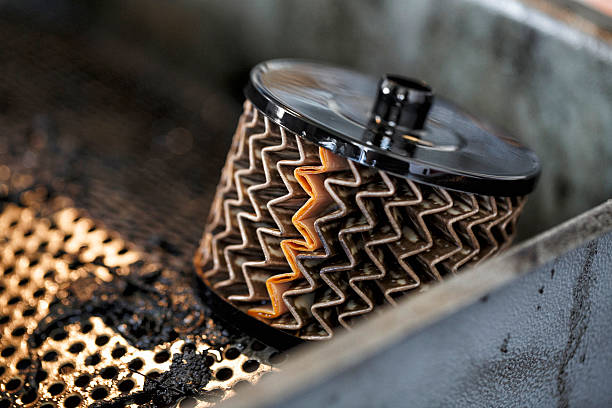
Take Regular Longer Drives
Long highway drives help the exhaust system reach the high temperatures needed for passive regeneration, naturally burning off accumulated soot. Short, frequent trips in city traffic often prevent full regeneration, leading to faster ash buildup. Incorporating occasional longer trips into your driving routine supports DPF health and reduces the need for professional cleaning.
Use High-Quality Diesel Fuel
Using premium or high-quality diesel fuel reduces the formation of soot and particulate matter. Contaminated or low-grade fuel increases ash accumulation in the DPF, making it harder for regeneration to occur effectively. Consistent use of cleaner fuel not only improves filter efficiency but also enhances engine longevity and reduces emissions.
Avoid Excessive Idling
Extended idling keeps exhaust temperatures low, preventing the DPF from reaching the heat necessary for soot combustion. This leads to incomplete regeneration and faster ash buildup, increasing the likelihood of clogging. Reducing idle time during traffic stops or when parked helps maintain proper exhaust flow and allows the filter to self-clean more effectively.
Maintain Your Engine
A well-maintained engine produces fewer particles, helping the DPF last longer. Regular oil changes, air filter replacements, fuel system inspections, and timely servicing improve combustion efficiency and reduce soot production. Neglecting engine maintenance can overload the DPF, resulting in higher backpressure, poor performance, and potential damage to expensive exhaust components.
Ensure Sensors Remain Functional
DPF sensors, including pressure and temperature monitors, control regeneration cycles and alert drivers to potential blockages. Faulty sensors can prevent the DPF from cleaning itself, causing premature soot and ash buildup. Regular inspections and sensor calibration ensure accurate readings, proper filter regeneration, and help avoid costly repairs or unplanned downtime for diesel vehicles.
Conclusion
Understanding how often clean DPF Australia? is crucial for maintaining diesel vehicle performance and compliance with emissions regulations. The frequency depends on driving patterns, vehicle type, and observed signs of required clean.
Professional cleaning, including ultrasonic cleaning, can restore filter efficiency, while daily maintenance practices help extend lifespan and avoid costly repairs. For Australian vehicle owners, consulting a dpf specialist near me ensures your DPF receives proper care. Contact a professional DPF cleaning service today to schedule a check and maintain your diesel vehicle in optimal condition