
Diesel Particulate Filters (DPFs) play a vital role in modern diesel vehicles. They capture soot and other harmful particulates to reduce emissions and protect engine performance. Over time, these filters become clogged, reducing efficiency, increasing fuel consumption, and potentially triggering warning lights. Vehicle owners and workshops in Australia frequently face the question: which cleaning method is best for a DPF? The debate often centres around ultrasonic DPF cleaning vs hydro Australia, as well as thermal and hybrid methods.
Understanding the differences between these cleaning techniques is essential. Each method varies in efficiency, risk, cost, and suitability for different vehicle types. This article explores each method in detail, providing a technical comparison and highlighting why ultrasonic cleaning often emerges as a preferred choice. It also guides diesel vehicle owners on how to access professional services from a certified dpf cleaning company, ensuring optimal filter performance.
For those seeking reliable DPF cleaning, services such as dpf cleaner service,dpf particulate filter cleaner, and dpf filter cleaning offered by expert workshops are key. Vehicle owners searching for clean DPF filter near me can find certified solutions that combine advanced cleaning methods with safety and environmental compliance.
Understanding DPFs and Why They Need Cleaning
A Diesel Particulate Filter (DPF) captures carbon soot and other particulates produced by diesel combustion. These particles, if not filtered, would be released into the atmosphere, increasing pollution and reducing vehicle performance. Over time, the accumulation of soot and ash within the filter restricts exhaust flow, decreases fuel efficiency, and may trigger engine fault codes.
The main goal of DPF cleaning is to restore the filter’s performance without causing damage. Diesel vehicle owners often compare ultrasonic DPF cleaning vs hydro Australia when considering the most effective, safe, and environmentally friendly solution. Each method has unique mechanisms, benefits, and limitations, which we will examine in detail.
Proper cleaning can extend the life of a DPF by years, enhance fuel economy, and reduce emissions. Whether for private vehicles or fleet management, understanding the differences between cleaning methods is essential for long-term reliability and compliance with Australian emission standards.
Ultrasonic DPF Cleaning Explained
Ultrasonic cleaning is a precision-based method that uses high-frequency sound waves to remove soot, ash, and debris from a diesel particulate filter. In this process, the DPF is immersed in a specialized cleaning solution. Ultrasonic waves generate microscopic bubbles, which collapse rapidly. This phenomenon, known as cavitation, produces tiny shockwaves that dislodge particles embedded deep within the filter’s ceramic or metal structure.
One of the major advantages of ultrasonic cleaning is that it does not rely on extreme heat or high-pressure water. This reduces the risk of structural damage to the DPF and ensures that all micro-pores are effectively cleaned. As a result, fuel efficiency improves, emissions decrease, and the filter’s lifespan is extended.
Workshops across Australia provide professional ultrasonic DPF cleaning service. These services include detailed inspections and testing before and after cleaning, ensuring that the filter meets required performance standards. Vehicle owners comparing ultrasonic DPF cleaning vs hydro Australia frequently note that ultrasonic methods deliver superior results, particularly for heavily clogged filters.
By choosing ultrasonic cleaning, diesel vehicle owners benefit from a method that is environmentally friendly, precise, and reliable. Professional dpf cleaning companies often combine ultrasonic cleaning with comprehensive maintenance checks, making it an ideal solution for both individual and fleet vehicles.
Thermal DPF Cleaning
Thermal cleaning, sometimes called DPF regeneration or incineration, involves subjecting the filter to high temperatures to burn off accumulated soot. This method can quickly remove soot deposits but comes with potential risks. Extreme heat may warp or crack the ceramic substrate within the filter, resulting in premature failure if not handled carefully.
Although effective in removing carbon deposits, thermal cleaning does not always eliminate ash, which may require additional mechanical or chemical cleaning. It is a method best suited for moderately clogged filters and is sometimes used as a preliminary step before other cleaning techniques.
Environmental considerations are also important. The combustion of soot generates emissions that must be carefully managed, making thermal cleaning less environmentally friendly compared to ultrasonic methods. Vehicle owners considering thermal cleaning should consult a professional dpf cleaning company to ensure safety and compliance.
Hydro DPF Cleaning
Hydro DPF cleaning, also referred to as chemical or water-based cleaning, employs a combination of high-pressure water and cleaning chemicals to flush out contaminants. The water is forced through the filter channels, dislodging soot and ash deposits. While this method is effective for lightly to moderately clogged filters, it may not reach the deepest pores in heavily contaminated filters.
Hydro cleaning is generally less expensive than ultrasonic or thermal methods, making it a cost-effective option for some vehicle owners. However, pressure levels must be carefully controlled to avoid damaging the ceramic substrate. Drying the filter after hydro cleaning is essential to prevent corrosion and maintain optimal performance.
Hybrid approaches, such as flash jet DPF cleaning, combine hydro methods with additional techniques to enhance cleaning efficiency. Vehicle owners often consult professionals for a DPF cleaning methods comparison to determine whether hydro, ultrasonic, or hybrid approaches are most suitable for their vehicles.
Comparing Ultrasonic, Thermal, and Hydro DPF Cleaning
When considering ultrasonic DPF cleaning vs hydro Australia, several factors come into play:
Efficiency: Ultrasonic cleaning provides the most thorough removal of soot and ash, reaching deep micro-pores. Hydro cleaning is effective for moderate blockages, while thermal cleaning excels in soot removal but may leave residual ash.
Risk: Thermal methods carry the highest risk of damaging the filter due to extreme heat. Hydro cleaning risks substrate damage if pressure is excessive. Ultrasonic cleaning has minimal risk when performed by trained professionals.
Cost: Hydro cleaning is often the cheapest option. Thermal cleaning varies depending on equipment and energy use. Ultrasonic cleaning typically costs more but provides long-term savings by improving fuel efficiency and prolonging filter life.
Environmental Impact: Ultrasonic cleaning is environmentally friendly, using water and biodegradable solutions without combustion. Thermal cleaning produces emissions, and hydro cleaning generates wastewater that requires proper disposal.
Suitability: Vehicle type, filter condition, and usage patterns determine which method is best. Fleet vehicles or heavily used vehicles may benefit most from ultrasonic cleaning, while occasional use vehicles with mild soot accumulation may be suitable for hydro cleaning.
Professional dpf cleaner services offer expert advice on method selection, ensuring that each DPF receives appropriate care. Workshops providing dpf filter cleaning and dpf particulate filter cleaner services can evaluate the filter condition and recommend the best approach.
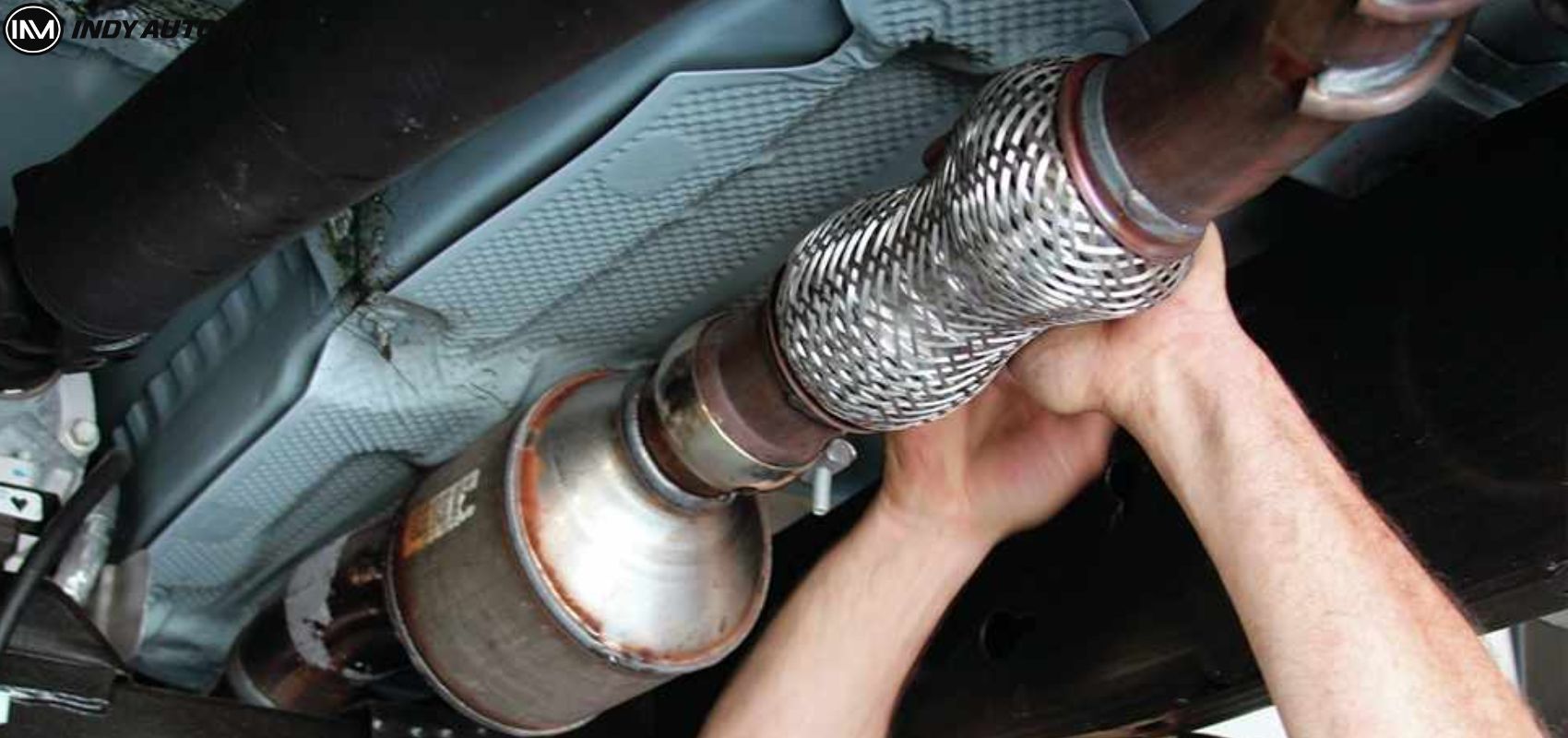
Benefits of Professional DPF Cleaning Services
Engaging a certified dpf cleaning company ensures that cleaning is thorough, safe, and compliant with environmental regulations. Professional services typically include:
- Pre-cleaning inspection and testing.
- Selection of the optimal cleaning method based on filter condition.
- Ultrasonic, thermal, or hydro cleaning executed with precision.
- Post-cleaning testing to confirm restored performance.
- Advice on maintenance to prevent future blockages.
Vehicle owners searching for clean DPF filter near me often prioritize workshops that provide full-service solutions, including inspections, ultrasonic cleaning, and maintenance recommendations.
Risks of Improper DPF Cleaning
Attempting DPF cleaning without professional guidance can result in several issues:
- Damage to the ceramic substrate, leading to filter failure
- Incomplete soot or ash removal, reducing efficiency
- Environmental hazards from improper disposal of cleaning agents
- Voided manufacturer warranties
By consulting a certified dpf cleaning company, these risks can be minimized, ensuring that the vehicle remains compliant with emission standards and operates efficiently.
Choosing the Best DPF Cleaning Method in Australia
Selecting the optimal method depends on several factors:
- Filter condition: Heavily clogged filters benefit most from ultrasonic cleaning.
- Vehicle type: Heavy-duty vehicles may tolerate thermal cleaning, while passenger cars require gentle methods.
- Budget considerations: Hydro cleaning is more affordable, but ultrasonic cleaning offers long-term cost savings.
- Environmental considerations: Ultrasonic cleaning minimizes emissions and wastewater, making it the most eco-friendly choice.
By evaluating these factors, diesel vehicle owners can make an informed decision. Workshops offering dpf cleaner services and dpf particulate filter cleaner solutions often provide guidance tailored to specific vehicle needs.
Maintenance Tips to Extend DPF Life
After cleaning, maintaining the DPF is critical to prolonging its lifespan. Recommendations include:
- Using low-sulfur diesel fuel to reduce soot formation
- Avoiding frequent short trips that prevent full regeneration
- Regularly monitoring exhaust pressure and engine performance
- Scheduling routine inspections with professional dpf cleaning companies
These practices reduce the likelihood of blockages and ensure optimal performance.
Conclusion
Choosing the right DPF cleaning method is vital for maintaining diesel vehicle performance, reducing emissions, and extending filter life. While hydro cleaning and thermal cleaning have specific applications, ultrasonic DPF cleaning provides the most thorough, environmentally friendly, and reliable solution. For vehicle owners in Australia, consulting a certified dpf cleaner service or dpf cleaning company ensures the filter is cleaned safely and efficiently.
If you are seeking expert guidance, contact us today through our service page to discuss your DPF cleaning needs and schedule professional ultrasonic cleaning. With the right approach, your diesel vehicle can operate efficiently, reduce emissions, and enjoy an extended DPF lifespan.