
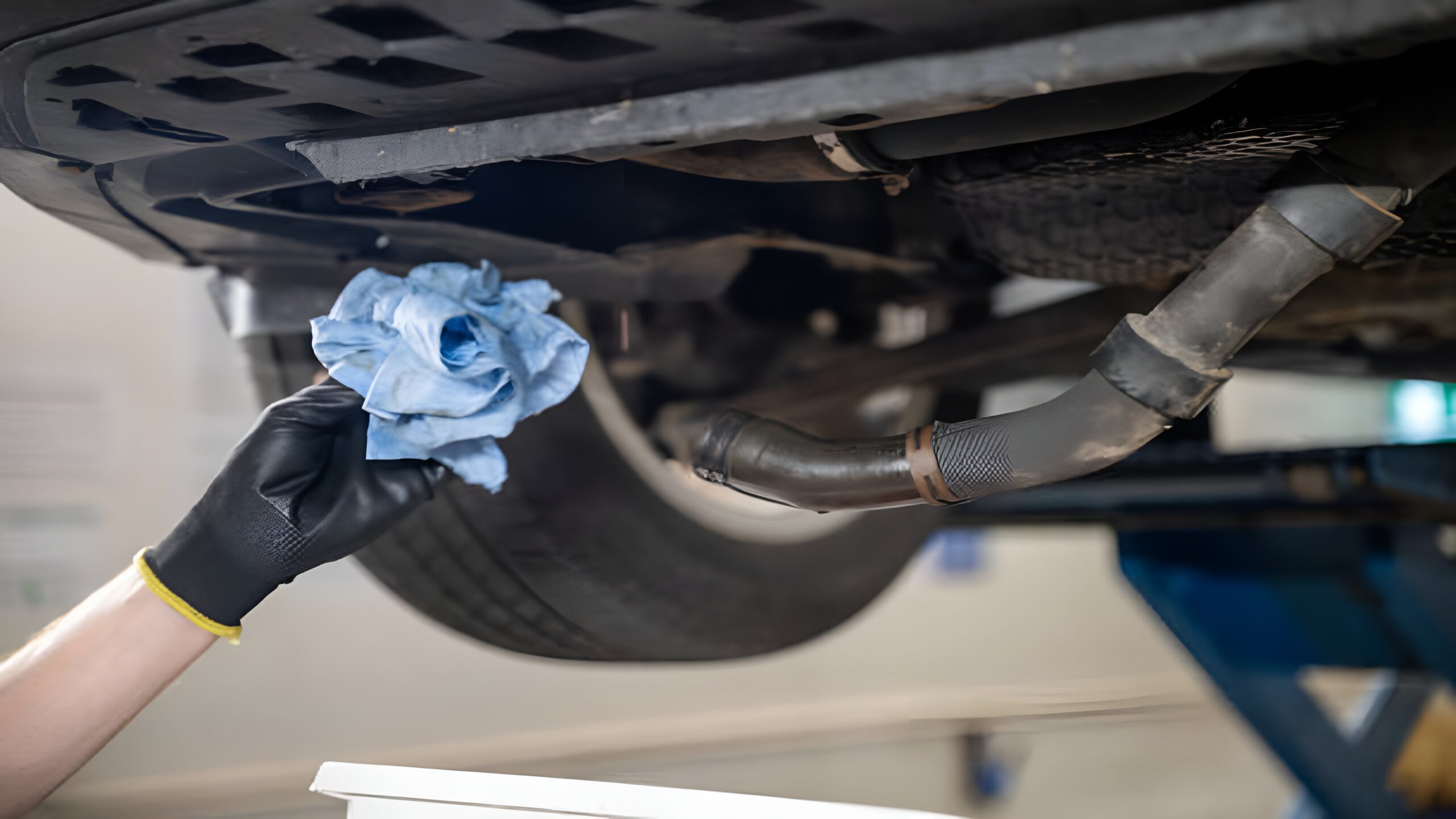
A clogged DPF can cut fuel economy, trigger limp mode, and turn a routine commute into an expensive repair decision . In 2026, that decision is more urgent: stricter inspection programs, higher parts prices, and more short-trip driving are increasing diesel particulate filter load and failure rates. If you’re weighing DPF cleaning vs replacement, the “right” answer depends on soot vs ash, the condition of the substrate, and how your vehicle is used not just the check-engine light.
This guide breaks down how DPFs fail, how a professional DPF cleaning service works , what a dpf particulate filter cleaner can and can’t do, and when DPF filter replacement is the smarter investment. You’ll also get a cost comparison table, decision rules, and common mistakes to avoid.
Why this decision matters for diesel vehicles in 2026
DPFs are no longer “set-and-forget” components. Modern diesel emissions systems are tightly integrated, so a restriction in one area can cascade into turbo, EGR, sensor, and fuel-economy issues. In practical terms, a misdiagnosed DPF problem often becomes a multi-thousand-dollar repair stack.
Several 2026 realities are shaping the best choice between DPF cleaning vs replacement:
Evidence of the broader context: road-transport emissions still represent a major slice of greenhouse gas output, with transport contributing ~24% of direct CO₂ emissions from fuel combustion globally (IEA, 2023). That pressure continues to drive tighter emissions compliance expectations into 2026.
How a DPF fails: soot load vs ash load vs physical damage
To choose correctly, you need to know what’s actually “clogging” the filter. A DPF is designed to trap soot (carbon) and periodically burn it off during regeneration. What it can’t burn off is ash non-combustible residue from oil additives, engine wear metals, and contaminants.
Soot load (often cleanable)
Soot restriction is usually a drivability problem that can be resolved if the filter substrate is intact and the engine isn’t creating excessive soot. A successful forced regeneration may restore flow, but it won’t remove ash. If soot returns quickly, the DPF may be the symptom not the cause.
Ash load (often needs professional cleaning)
Ash accumulates slowly and is a common reason a truck “can’t regen its way out” anymore. This is where a DPF professional cleaner and a proper flow/pressure test matter. As a rule, ash-related restriction increases back pressure and pushes regeneration frequency up hurting fuel economy and raising EGTs.
Physical damage (often replacement)
If the ceramic substrate is melted, cracked, oil-soaked, or structurally compromised, cleaning is unlikely to restore safe, durable operation. Thermal events (failed regen, injector faults, turbo issues) can distort the substrate. In these cases, when to replace DPF becomes the key question, not “how to clean it.”
Quick benchmark : DPF-related trouble codes are among the more common emissions-related issues in late-model diesels, and OBD-based inspection programs widely use “check engine” status and readiness monitors to determine pass/fail . That makes marginal DPF performance a real compliance risk, not just an inconvenience.
DPF cleaning options: what works, what doesn’t, and why
Not all “cleaning” is equal. The right method depends on whether you’re dealing with soot, ash, or contamination. A reputable dpf cleaning company should test before/after and provide documentation so you can verify improvement.
1) On-vehicle chemical cleaners
A retail dpf particulate filter cleaner can help in mild cases typically soot-heavy, ash-light situations where the filter isn’t physically damaged. However, chemical sprays and additives rarely remove meaningful ash and can create downstream issues if misused .
2) Off-vehicle professional cleaning
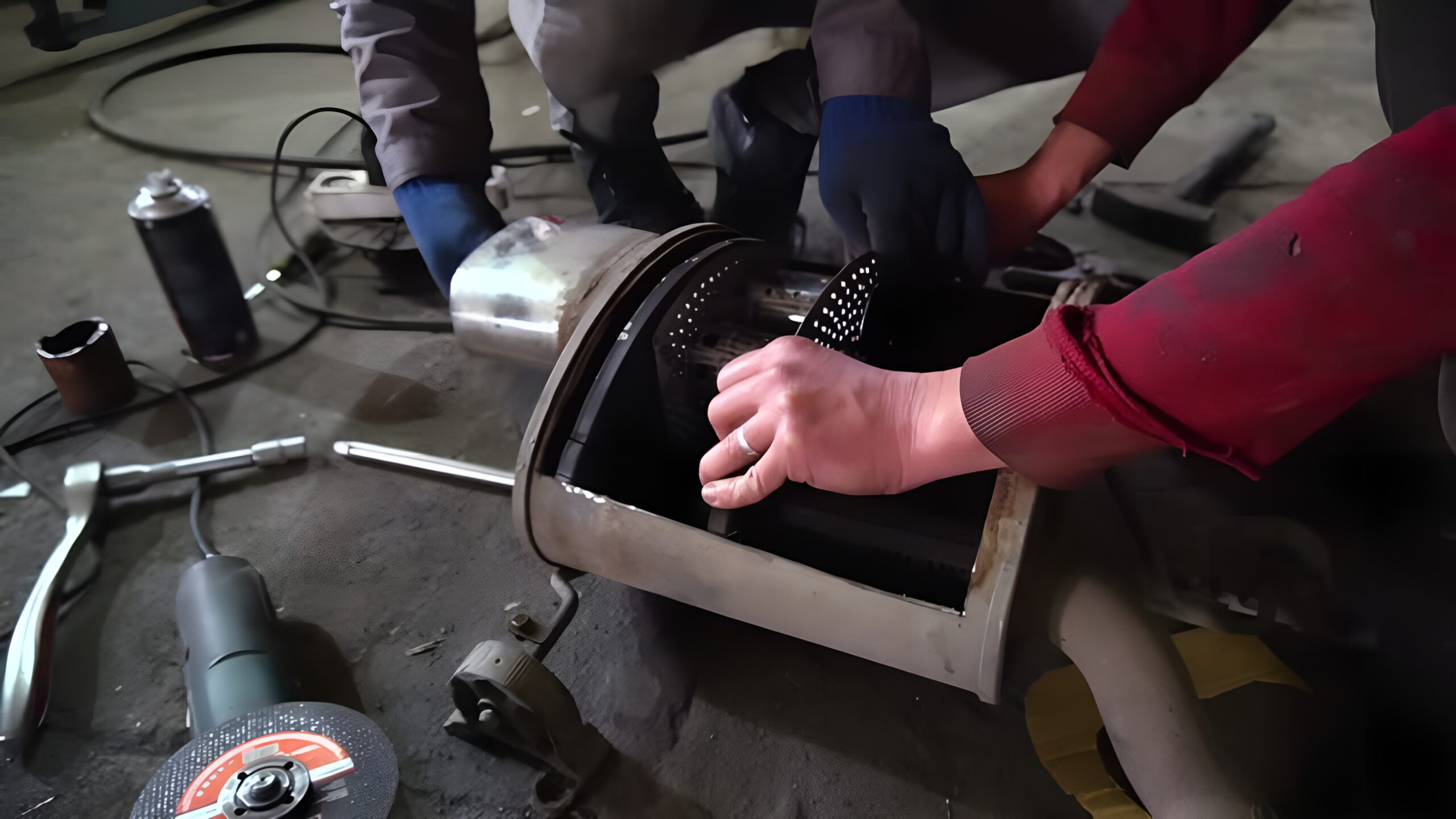
A professional DPF cleaning service removes the filter and uses equipment designed to dislodge ash and soot without damaging the substrate. Leading shops combine thermal conditioning (controlled bake) with pneumatic pulsing and/or aqueous processes, followed by flow testing. This is often the “sweet spot” in the DPF cleaning vs replacement decision when the core is intact.
3) Ultrasonic cleaning
Searching “ ultrasonic cleaning near me” can surface providers using ultrasonic tanks to loosen deposits. Ultrasonic processes can be effective when paired with correct chemistry, rinse cycles, drying, and post-clean verification. The risk is inconsistency: a poor process can leave moisture, loosened debris, or residue that quickly re-restricts the filter.
Pro verification tip : Choose a dpf cleaning shop near me that provides before-and-afterresults (e.g., flow bench numbers or restriction kPa at a defined airflow) and visually inspects for cracks/melt. If they can’t quantify the improvement, you’re buying a “hope-and-pray” service.
DPF filter replacement: when it’s the smarter move
DPF filter replacement makes sense when cleaning cannot restore structural integrity or when the risk of repeat failure is high. Replacement can also be strategic when downtime costs exceed the savings of cleaning.
Hidden cost factor: why “replace the DPF” may not fix it
Even a new DPF can fail early if the root cause isn’t addressed. Common upstream drivers include leaky charge-air systems, injector over fueling, stuck EGR, excessive idling, poor-quality oil, and turbo inefficiency. Replacement without diagnosis is one of the fastest ways to waste money in diesel emissions repair.
Industry context: the global diesel exhaust fluid market is projected to continue growing this decade, reflecting how widely SCR systems remain in use and maintained . In practice, that means more vehicles will stay emissions-equipped and DPF service decisions will remain common through 2026.
Common mistakes to avoid
Most costly outcomes come from skipping verification or treating the DPF like a standalone part. Avoid these pitfalls to make your cost comparison DPF decision accurate and durable.
Mistake 1: Buying a “cleaning” without before/after test results
A credible professional DPF cleaning service should provide measured restriction/flow improvement. If a shop can’t show what changed, you can’t tell whether the service worked or whether the DPF is damaged.
Mistake 2: Using the wrong oil (or extended intervals that raise ash)
DPF-equipped diesels typically require low-SAPS oil specifications to minimize ash. Using the wrong oil can accelerate ash loading and shorten time between cleanings.
Mistake 3: Treating repeated forced regens as a long-term plan
Forced regens can be appropriate as a diagnostic or short-term remedy, but repeated regens increase thermal stress and can contribute to substrate damage. If regens are becoming frequent, you likely need ash removal, root-cause repair, or both.
Pro tip: Choose a dpf cleaning company that checks the whole system
Data point : OBD-based inspection programs rely heavily on diagnostic readiness and MIL status; a single persistent emissions DTC can cause an inspection failure even if the vehicle “drives fine”. That makes proper diagnosis and documented repairs more valuable than quick fixes in 2026.
What’s changing in 2026: trends affecting DPF service decisions
DPF maintenance is being shaped by technology, policy, and economics. Understanding these shifts helps you choose correctly and choose a provider that’s keeping up.
Trend 1: Higher emphasis on documentation and compliance
Both fleet customers and retail owners increasingly need service records that show objective results (before/after restriction, test drive outcomes, readiness set). A DPF filter cleaning service that produces a report is more than convenient it can be valuable for warranty, resale, and compliance audits.
Trend 2: Growth of specialized cleaning methods and regional availability
More operators are searching for “ dpf cleaning shop near me” and “ ultrasonic cleaning near me” because access and turnaround time matter. The market has expanded, but quality is uneven making provider selection and verification essential.
Trend 3: Parts pricing and lead times keep “clean first” attractive
Replacement assemblies can involve sensors, hardware, and programming steps, and lead times can create significant downtime. For intact filters, professional cleaning remains a high-ROI option, particularly for fleets where a day off the road costs more than the service itself.
Macro signal : continued investment in emissions-related consumables and infrastructure suggests diesel emissions systems will remain a mainstream maintenance reality through 2026 .
Conclusion
In 2026, deciding between DPF cleaning and DPF replacement comes down to understanding the actual condition of your diesel particulate filter rather than reacting to symptoms alone. If the issue is primarily soot buildup, regeneration or cleaning methods can often restore performance and fuel economy. When ash accumulation is the cause, professional DPF cleaning services with proper testing and verification become the most practical solution.
However, if the filter substrate is cracked, melted, or structurally damaged, replacement is the only reliable long-term fix. Making the wrong choice can lead to repeated breakdowns, higher repair costs, and ongoing emissions issues, which is why proper diagnosis and before-and-after testing are essential. A well-informed decision ensures your vehicle stays compliant, efficient, and reliable while avoiding unnecessary expenses. Always evaluate the condition of the DPF, the root cause of restriction, and the results of any service before proceeding with replacement or cleaning.
Contact us today to discuss your DPF cleaning or replacement needs and get expert guidance on the most cost-effective solution for your vehicle and reduce downtime while keeping your diesel system reliable and compliant in 2026 always.