
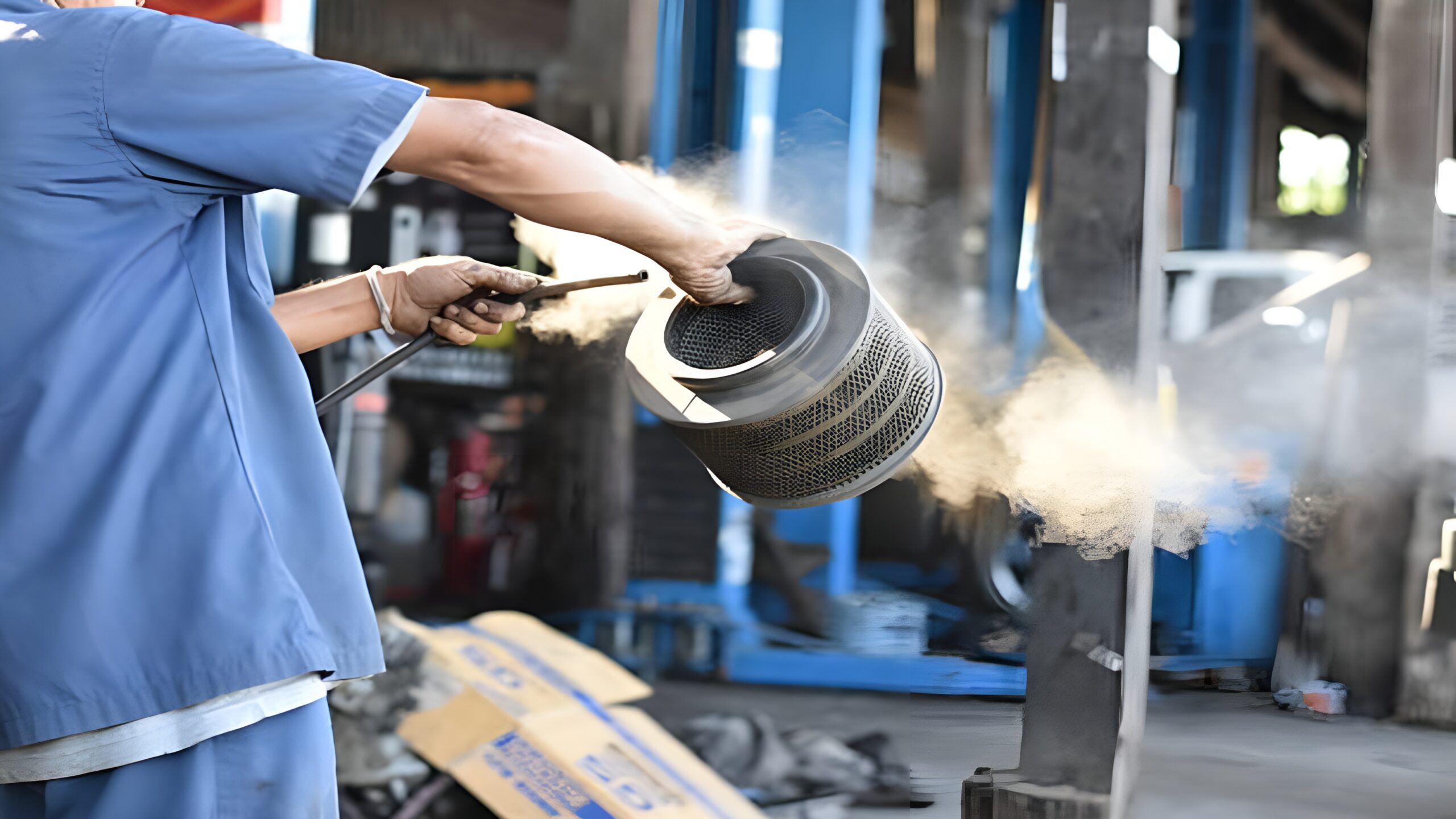
One blocked DPF can turn a reli/able diesel into a limp-mode headache often at the worst possible time.If you’re wondering how often should I clean my DPF filter NSW, you’re not alone: urban stop-start driving, higher EGR loads, and modern emissions strategies mean many Sydney diesel vehicles reach “soot-full” sooner than owners expect. In 2026, stricter roadside compliance checks, higher fuel costs, and the reality of short-trip commuting make DPF cleaning as a genuine budgeting and up time decision not just a mechanical one.
This guide breaks down the ideal cleaning frequency, the signs you’re overdue, and how to choose the right professional DPF cleaning service including when ultrasonic DPF cleaning Sydney is worth it. You’ll also get a practical vehicle DPF maintenance schedule, costs, and “what if” scenarios tailored to NSW driving conditions.
Why DPF cleaning frequency matters in NSW
A diesel particulate filter (DPF) traps soot and ash to reduce tailpipe emissions. Over time, soot can be burned off during regeneration, but ash accumulates permanently until the filter is cleaned or replaced.
In NSW, many vehicles live in a tough DPF environment: congested metro driving, short trips, school runs, and trades schedules. These patterns reduce exhaust temperature and interrupt regens, increasing the odds you’ll need blocked DPF cleaning near me sooner than the manufacturer’s “ideal conditions” schedule.
DPFs are also a common pain point in diesel reliability. In the UK, DPF-related issues have consistently ranked among frequent diesel fault categories reported by motorists and service networks . While that’s not NSW-specific, the underlying causes short trips and interrupted regens map closely to Sydney driving.
DPF soot vs ash: the hidden reason “it keeps blocking again”
Soot load rises and falls with driving style and regen success. Ash load only rises slowly but relentlessly. If your vehicle repeatedly throws DPF codes shortly after a forced regen, that’s often an ash restriction problem that regeneration cannot fix.
What “professional cleaning” actually restores
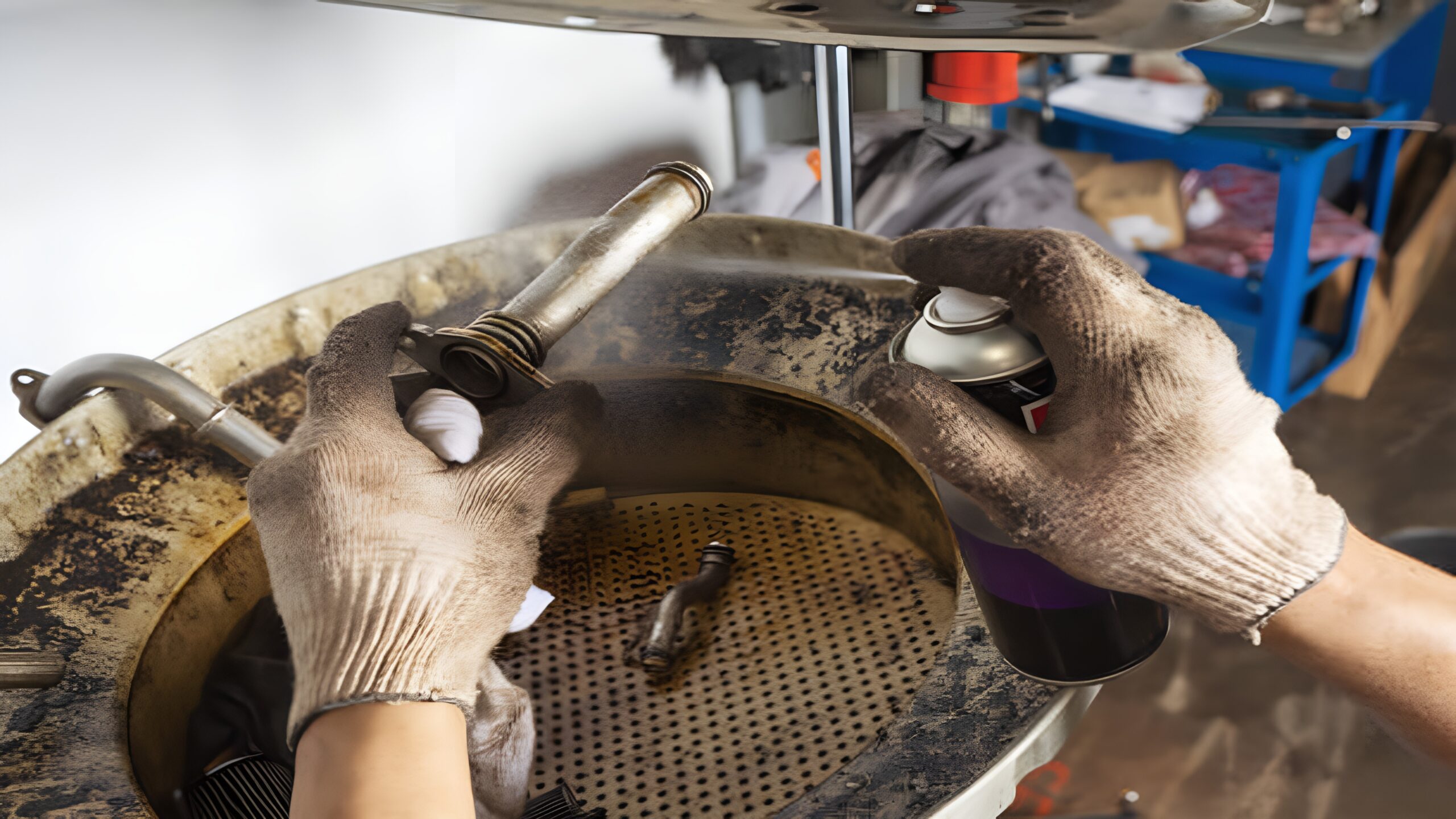
A quality DPF filter cleaning service Sydney should restore flow , reduce soot/ash mass, and verify the result with pre/post measurements. This is especially important for commercial fleets where downtime costs more than the cleaning.
Symptoms you’re overdue
Most drivers wait for a dash light. That’s expensive because by the time a warning triggers, restriction may already be affecting turbo efficiency, EGTs, and fuel consumption. The earlier you catch a restriction trend, the cheaper it is to address.
Diagnostic confirmation
A workshop offering diesel DPF cleaning service Sydney should be comfortable discussing objective measurements, not just “we’ll clean it and see.” Ask for:
As a benchmark for how common DPF restriction complaints have become in modern diesels, Australian roadside assistance providers report battery issues as the top call out category , but emissions-related drivability problems including DPF/EGR faults are increasingly represented in workshop booking data as fleets age into higher-kilometre years . The practical takeaway: DPF care is now mainstream maintenance, not a rare edge case.
Choosing the right method: ultrasonic vs thermal vs chemical
Not all cleaning is equal. The best method depends on whether you’re dealing with soot, ash, or contamination . If you’re searching for ultrasonic DPF cleaning Sydney, you’re likely looking for a deeper restore than a simple “spray and pray” approach.
Ultrasonic DPF cleaning (best for ash removal and deep channels)
Ultrasonic cleaning uses high-frequency agitation in a controlled bath to dislodge fine ash trapped in the honeycomb structure. It’s commonly paired with controlled flushing and drying, then validated with flow testing.
Thermal cleaning + pneumatic/air pulsing
Thermal units bake the filter to oxidise soot, then use air pulses to remove loosened ash. This can be effective when done properly with temperature control and validation.
In-situ chemical cleaning
Some services clean the DPF on the vehicle using chemicals and a forced regen. This may help with soot restriction but often doesn’t remove ash effectively.
Expert filter rule:If the vehicle keeps blocking again after a forced regen, you likely need off-car professional cleaning , not another chemical flush.
DPF cleaner service cost in Sydney : what you’ll likely pay and what affects pricing
DPF service pricing in NSW varies by vehicle size, accessibility, blockage severity, and whether the shop performs pre/post testing. Costs in 2026 are also influenced by labour rates and the time required for safe removal and refit.
Typical 2026 price ranges
As context for the cost of delaying maintenance: replacement DPF assemblies for some vehicles can run into the thousands once you include sensors, labour, and programming . That gap is why a planned clean often wins on total cost of ownership.
Pro tips and common mistakes to avoid
Professional cleaning solves today’s restriction. Preventing the next one is where the real savings are especially if you’re running a work ute, van, or diesel SUV around Sydney.
2026 trends in NSW: what’s changing and how it affects your DPF schedule
In 2026, the practical reality is that diesel emissions systems are under more scrutiny commercially and socially and vehicles are staying in service longer due to replacement costs. That combination increases the importance of proactive DPF maintenance.
Trend 1: more urban driving, fewer “natural regen” conditions
As Sydney congestion remains a daily factor, more vehicles operate below the exhaust temperatures needed for consistent passive regeneration. That shifts the best practice toward planned cleaning intervals and better monitoring rather than waiting for a warning light.
Trend 2: higher value on uptime for fleets and tradies
Downtime costs have risen alongside labour and scheduling pressures. Many NSW fleets now adopt preventive vehicle DPF maintenance schedule stied to service cycles because an unexpected limp mode can cost more than the clean itself.
Trend 3: better diagnostics and measurement expectations
Customers increasingly expect evidence-based servicing. A reputable DPF filter cleaning service Sydney in 2026 should provide measurable before/after results and a root-cause plan, not just a receipt.
Globally, regulators continue tightening heavy vehicle emissions requirements, including durability and in-use compliance expectations . While NSW rules are distinct, the direction of travel is the same: emissions systems need to work as designed for the life of the vehicle, and enforcement attention tends to increase over time.
Practical “what if” scenarios
These are common edge cases that change the answer to “how often should I clean my DPF filter NSW” and often determine whether you need routine cleaning or urgent blocked DPF cleaning Sydney.
What if I only drive 5–10 km at a time?
Assume you’ll need cleaning more often potentially every 9–15 months because regens may not complete. Add one longer drive each week and monitor regen frequency or differential pressure trends.
What if the DPF light keeps coming back after a forced regen?
That pattern often points to ash restriction or an underlying fault . Book an off-car clean with measured results often ultrasonic DPF cleaning Sydney and ask for a root-cause diagnostic report.
What if I tow a caravan or carry heavy loads?
Towing can raise exhaust temps, but it also increases soot production under certain conditions and can expose weaknesses in injectors/turbo/EGR. Use the manufacturer oil spec, keep inter cooler and intake leaks in check, and clean earlier if back pressure rises.
What if my vehicle is modified
Some tunes increase soot output or alter regen behaviour. Get the calibration checked by a reputable diesel specialist and be conservative with cleaning intervals until you establish stable data.
What if I’m selling the car?
A documented DPF clean with before/after results can reduce buyer objections and help justify price especially for higher-kilometre diesels. Keep the invoice and diagnostic printouts as proof.
Conclusion
In 2026, knowing how often to clean your DPF filter in NSW depends on your driving habits, vehicle type, and how quickly soot and ash build up in real-world Sydney conditions. Short-trip urban driving typically requires more frequent professional DPF cleaning, while consistent highway driving can extend intervals between services, as regeneration cycles are more effective under sustained temperatures.
Understanding the difference between soot and ash is critical, since soot can often be reduced through regeneration, while ash buildup requires professional off-car cleaning methods to restore proper flow and performance. To keep your diesel vehicle running efficiently in NSW, follow a structured DPF maintenance schedule based on your driving conditions, monitor early warning signs such as rising back pressure or frequent regens, and choose a professional service that provides proper diagnostics and before-and-after testing.
If you are experiencing performance issues, reduced fuel economy, or repeated warning lights, it is important to act early rather than waiting for complete blockage. For expert help, contact us to book a DPF inspection, cleaning, or advice on the right solution for your vehicle.