
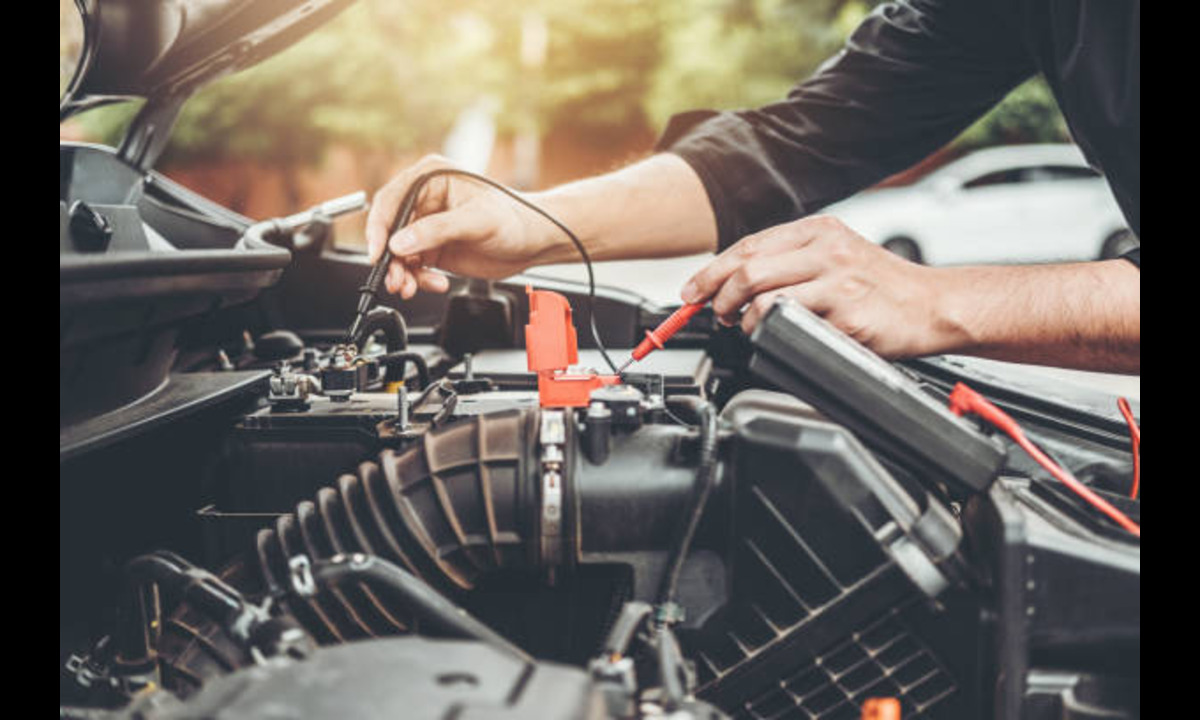
Diesel vehicle owners across Australia face a critical decision when their particulate filter fails. The choice between replacement and professional cleaning is one that can have a significant impact on your overall vehicle running costs. As diesel emissions standards continue to tighten and repair costs climb, understanding the true economics of DPF maintenance has never been more important for Australian drivers.
This guide examines the real-world considerations, success factors, and long-term implications of both approaches, helping you make an informed decision that protects both your budget and your vehicle’s performance.
Understanding Your Two Main Options
When a DPF begins causing problems, vehicle owners generally have two paths available. The first is professional cleaning, which uses specialised equipment to remove soot and ash deposits and restore the filter to a functional condition. The second is full replacement, where the existing filter is removed and a new unit is installed.
Both options have their place depending on the condition of the filter, the age of the vehicle, and the owner’s circumstances. Understanding the factors that determine which option suits your situation is the starting point for making a smart decision.
Professional DPF Cleaning: What to Expect
Professional DPF cleaning is the more affordable option in most cases and represents a viable solution for the majority of filters that have not been physically damaged.
The cleaning process involves removing the filter, using specialised equipment to dislodge and extract accumulated soot and ash, and then flow-testing the filter to verify the improvement before reinstallation. Reputable service providers will conduct an assessment before beginning the process and provide you with before-and-after flow data to demonstrate the outcome.
When performed correctly by a qualified provider, professional cleaning can restore filter performance to a level close to that of a new unit. Most vehicle owners who have their DPF cleaned at an appropriate stage of contamination experience a meaningful return of fuel economy and performance.
DPF Replacement: When Is It the Right Choice?
Replacement becomes the appropriate option when the filter cannot be restored through cleaning. This is generally the case when the filter has been physically damaged, when the ceramic substrate has cracked or melted due to excessive heat, or when oil or coolant contamination has compromised the filter material beyond recovery.
Replacement is also worth considering for newer vehicles with significant remaining service life, where the long-term reliability benefit of a new unit justifies the higher upfront investment.
It is worth noting that replacement involves more than just the filter unit itself. Associated components such as sensors and gaskets often need to be replaced at the same time, and the process requires skilled labour and potentially software updates depending on the vehicle. A full replacement is a comprehensive job, and the total cost reflects that.
Success Rates and What Influences Them
The effectiveness of DPF cleaning is not guaranteed in every case, and understanding the factors that influence success helps set realistic expectations.
Filters that are serviced at an earlier stage of contamination respond significantly better to cleaning than those that have been allowed to reach near-complete blockage. Acting early, at the first sign of DPF issues rather than waiting for the vehicle to enter limp mode, consistently produces better outcomes.
Vehicle mileage and maintenance history also play a role. Filters from well-maintained vehicles with regular servicing tend to respond better to cleaning than those from vehicles with irregular maintenance or a history of short-trip city driving.
Physical condition is the most important factor. If a filter has visible structural damage, has been subjected to extreme temperatures, or shows signs of oil or coolant contamination, cleaning is unlikely to provide a lasting solution and replacement becomes the more honest recommendation.
Warning Signs That Replacement May Be Necessary
Certain symptoms suggest that cleaning will not provide a lasting resolution and that replacement is the more appropriate course of action.
Visible cracks or damage to the filter substrate indicate physical failure that no cleaning process can address. Extremely frequent regeneration cycles, where the vehicle is attempting to clean the filter far more often than normal, can indicate a fundamental system problem beyond soot accumulation. Multiple previous cleaning attempts that have not produced lasting improvement are also a strong indicator that the filter has reached the end of its serviceable life.
A reputable DPF service provider will be honest with you about whether your filter is a suitable candidate for cleaning or whether replacement is the more appropriate recommendation. Be cautious of any provider who guarantees cleaning will solve every situation without first conducting a proper assessment.
Long-Term Cost Considerations
The decision between cleaning and replacement should take into account more than just the immediate service expense. A longer-term view of total ownership costs is more useful for making a genuinely informed decision.
Professional cleaning typically provides a meaningful period of normal operation before the next service is required. Vehicles with good maintenance habits and appropriate driving patterns can extend this interval considerably. Keeping accurate records of each service and monitoring fuel economy trends over time gives you the information you need to manage DPF maintenance proactively rather than reactively.
Replacement, while more expensive at the outset, provides a longer interval before the next intervention is likely to be required. For vehicles that will be kept for many more years and that are used heavily, the longer service life of a new unit may represent better value over the full ownership period.
The key question is how long you intend to keep the vehicle and how it is used day to day. These two factors, more than any other, should guide your decision between cleaning and replacement.
Impact on Resale Value
The choice you make regarding your DPF can influence the resale value of your vehicle, though the extent of this varies.
A documented history of professional DPF cleaning demonstrates that you have maintained the vehicle responsibly and addressed issues proactively rather than ignoring them. Buyers who understand diesel vehicles will view this favourably.
A documented DPF replacement is often seen as an advantage by prospective buyers because it removes a known potential expense from their consideration. However, the added resale value rarely fully offsets the cost of replacement, so it should be viewed primarily as a reliability and confidence benefit rather than a financial strategy.
In both cases, maintaining clear and complete service records is the most important thing you can do to protect your vehicle’s resale position.
New Technologies Improving Cleaning Outcomes
The DPF cleaning industry has advanced considerably in recent years, and the best service providers now use technology that delivers significantly better results than older methods.
Ultrasonic cleaning systems use high-frequency sound waves combined with specialised cleaning solutions to remove both soot and ash deposits more thoroughly than traditional methods. Pneumatic impulse cleaning uses controlled air pressure to dislodge stubborn deposits that other techniques struggle to reach.
Modern diagnostic equipment can also assess the condition of a filter before cleaning begins and provide a reliable indication of whether cleaning is likely to be successful. This prevents unnecessary work on filters that genuinely require replacement, saving time and money for the vehicle owner.
When selecting a DPF cleaning provider, asking about the technology they use and whether they conduct flow testing before and after the service is a reasonable way to distinguish quality providers from those using outdated methods.
Regional Considerations Across Australia
Service quality, availability, and pricing vary across different parts of Australia, and it is worth understanding how your location may affect your options.
In major metropolitan areas, there is generally a higher density of service providers, which creates more competition and typically more choice. In regional and rural areas, the options may be more limited, but some providers specialise in diesel fleet maintenance and have developed strong expertise through that focus.
Mobile DPF cleaning services are available in some areas and can eliminate the need to transport your vehicle to a workshop, which is particularly relevant for fleet operators or those in areas with limited local providers.
Regardless of your location, prioritising service quality and reputation over price alone is the most reliable approach to getting a good outcome.
Common Mistakes to Avoid
Understanding the most frequent errors vehicle owners make in this situation helps you avoid unnecessary expense and poor outcomes.
Waiting too long before seeking service is the most damaging mistake. Filters that are addressed at the first warning sign respond far better to cleaning than those that have been allowed to deteriorate to the point of putting the vehicle into limp mode. Early action consistently produces better results at lower cost.
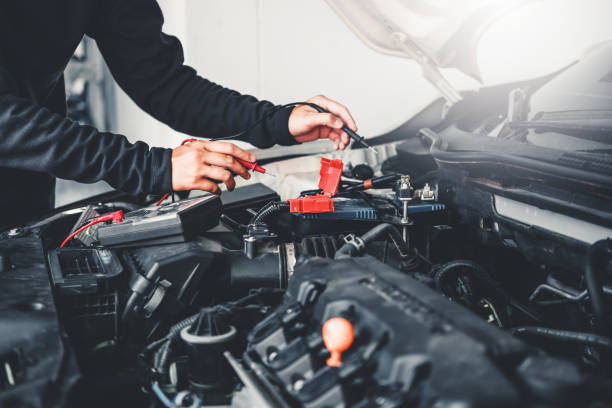
Choosing a service provider based purely on price is another common error. Providers who invest in proper equipment, training, and diagnostic capability achieve meaningfully better outcomes than those who cut corners on the process. A slightly higher fee from a reputable provider is almost always better value than a lower fee from one who achieves poor restoration results.
Attempting multiple cleaning cycles on a filter that did not respond to the first professional cleaning is also generally counterproductive. If a quality cleaning service does not produce lasting improvement, replacement is usually the more honest and appropriate next step.
How to Make the Right Decision for Your Situation
The optimal choice between cleaning and replacement depends on a combination of factors specific to your vehicle and your circumstances.
Start by having the filter professionally assessed by a reputable provider using modern diagnostic equipment. A proper assessment will give you a clear picture of the filter’s current condition and a realistic expectation of what cleaning can achieve in your specific case.
Consider the age of your vehicle, its mileage, and how long you intend to keep it. A vehicle near the end of its intended ownership period is generally better served by cleaning as a practical maintenance measure. A newer vehicle with many years of expected use ahead may be better served by replacement if the filter condition warrants it.
Consider your driving patterns. If your circumstances mean you primarily do short trips in urban conditions, understanding how to manage DPF health through driving habits is as important as the service decision itself. Highway driving that allows natural regeneration cycles to complete is the single most effective thing most drivers can do to extend the life of their DPF between professional services.
Conclusion
There is no universal answer to whether cleaning or replacement is the right choice. The correct decision depends on the condition of your specific filter, your vehicle’s age and history, and your ownership plans.
What is clear is that acting early, choosing a reputable service provider, and maintaining proper records gives you the best possible outcome regardless of which path is appropriate for your situation. A filter that is assessed honestly, serviced appropriately, and maintained proactively will cause far fewer problems over time than one that is ignored until a crisis forces a decision. Contact us today to discuss your DPF needs and schedule a professional assessment to keep your vehicle performing at its best.