

A blocked DPF is one of the most common and most expensive diesel emissions failures because it usually isn’t caused by a single “bad part.” Instead, it’s often the result of driving patterns, engine health, fuel and oil choices, software strategy, and maintenance habits compounding over time. With stricter urban air regulations, more low-speed delivery routes, and modern Euro 6/6d and EPA-compliant after treatment systems operating more frequently, DPF blockage is appearing earlier for many drivers in 2026. While some cases can be resolved through professional cleaning, severe damage or excessive ash buildup may ultimately require DPF filter replacement to restore emissions performance and engine efficiency.
In this guide, you’ll learn what actually causes a clogged DPF, the difference between soot and ash loading, how regeneration (regen) fails, which upstream faults trigger DPF problems, and how to prevent repeat blockages. You’ll also get a practical diagnostic checklist, real-world scenarios, a comparison table of symptoms, causes, and fixes, and guidance on when professional cleaning is sufficient versus when a DPF filter replacement becomes the most cost-effective long-term solution.
How a diesel particulate filter works
A diesel particulate filter traps soot (carbon) produced during combustion. Over time, the ECU initiates regeneration (“regen”) to burn soot into CO₂ and a smaller amount of residue. In healthy operation, soot loading rises and falls in predictable cycles.
“Blocked” can mean two different things, and confusing them leads to wrong fixes. Soot blockage is usually reversible with successful regen . Ash blockage is not reversible by regen because ash doesn’t burn; it accumulates and must be removed by professional cleaning or the DPF replaced.
Soot vs. ash: the critical distinction
Industry guidance consistently emphasizes that ash accumulation is an inevitable lifecycle factor. For example, heavy-duty maintenance references and OEM service schedules treat ash as a service item rather than a fault. In on-road heavy-duty contexts, DPF cleaning intervals are often measured in hundreds of thousands of miles depending on duty cycle and oil consumption.
Why modern diesels are more sensitive in 2026
Modern after treatment systems integrate EGR, DOC, DPF, and often SCR (AdBlue/DEF). These systems rely on accurate sensors , correct software logic, and predictable exhaust heat. Urban driving, idling, and stop-start delivery routes reduce exhaust temperatures, increasing the risk of DPF blockage.
Regulators have also tightened real-world emissions expectations over the last decade, and manufacturers increasingly calibrate strategies to meet real driving conditions. That often means more frequent regens under certain duty cycles, and more visible warning behaviors for DPF problems when the system can’t complete them.
The primary causes of a blocked DPF
Most clogged DPF cases come down to a short list of root causes. The key is identifying whether your vehicle is failing to burn soot, producing too much soot, or accumulating ash too quickly.
1) Short trips and low exhaust temperature
Active regeneration requires sufficiently high exhaust temperatures for long enough. If you do repeated short trips, heavy traffic, or low-speed work, the ECU may start regen but terminate it before completion. That causes soot loading to ratchet upward over days or weeks until the filter becomes restricted.
Urban duty cycles are consistently associated with higher DPF loading due to reduced exhaust heat and regen interruptions . In 2026, this is increasingly common for last-mile delivery fleets, tradespeople, and school-run patterns.
2) Excess soot production from combustion problems
If the engine produces soot faster than the DPF can burn it, blockage is only a matter of time. Common culprits include leaking injectors, poor atomization, incorrect rail pressure, restricted intake, boost leaks, and EGR issues. Even a minor intake leak can alter AFR and combustion quality enough to increase particulate output.
Real-world example: a van used for city deliveries with a small intercooler hose split may still “drive fine,” but it will often show rising DPF differential pressure and more frequent regen attempts. Fixing the boost leak can reduce soot generation dramatically and restore normal regen intervals.
3) EGR valve/cooler faults increasing soot load
EGR reduces NOx by lowering combustion temperatures, but it can increase soot if flow is incorrect or if the system is contaminated. Sticking EGR valves, clogged EGR coolers, or incorrect EGR control can lead to rough combustion and higher particulate output.
In many models, EGR-related faults can silently worsen DPF loading before a clear drivability symptom appears. That’s why a scan tool review of commanded vs. actual EGR flow (where available) is a high-value diagnostic step for recurring DPF problems.
4) Sensor errors and software strategy issues
The ECU estimates DPF soot load using differential pressure readings, exhaust temperature sensors, and model-based calculations. A drifting differential pressure sensor, cracked pressure hose, or temperature sensor fault can make the vehicle “think” the DPF is clogged or can prevent regen from initiating safely.
In some platforms, outdated ECU calibrations also contribute to regen frequency or completion rates. OEM updates may adjust thermal management, post-injection timing, and dosing logic to improve regen robustness under real-world conditions.
5) Oil consumption and wrong oil spec
Every drop of oil that gets burned contributes ash to the DPF. Worn turbo seals, valve stem seals, piston rings, or PCV issues can increase oil consumption. Using the wrong oil (non-low-SAPS) can accelerate ash accumulation significantly.
Low-SAPS oils (ACEA C specs / OEM approvals) are designed to protect DPFs by reducing sulfated ash, phosphorus, and sulfur. Using an incorrect oil can shorten DPF service life and increase the likelihood of irreversible blockage .
6) Fuel quality issues and contamination
Poor fuel quality, water contamination, and off-spec bio diesel blends can increase soot output or disrupt combustion stability. While modern engines can tolerate regulated bio diesel blends, problems arise when fuel is contaminated or when storage practices are poor (e.g., microbial growth in tanks).
One measurable signal is an increase in frequent regens combined with rough idle and rising fuel trims (where monitored). Fuel system cleaning may help in some cases, but it’s not a substitute for confirming injector health and fuel pressure behavior.
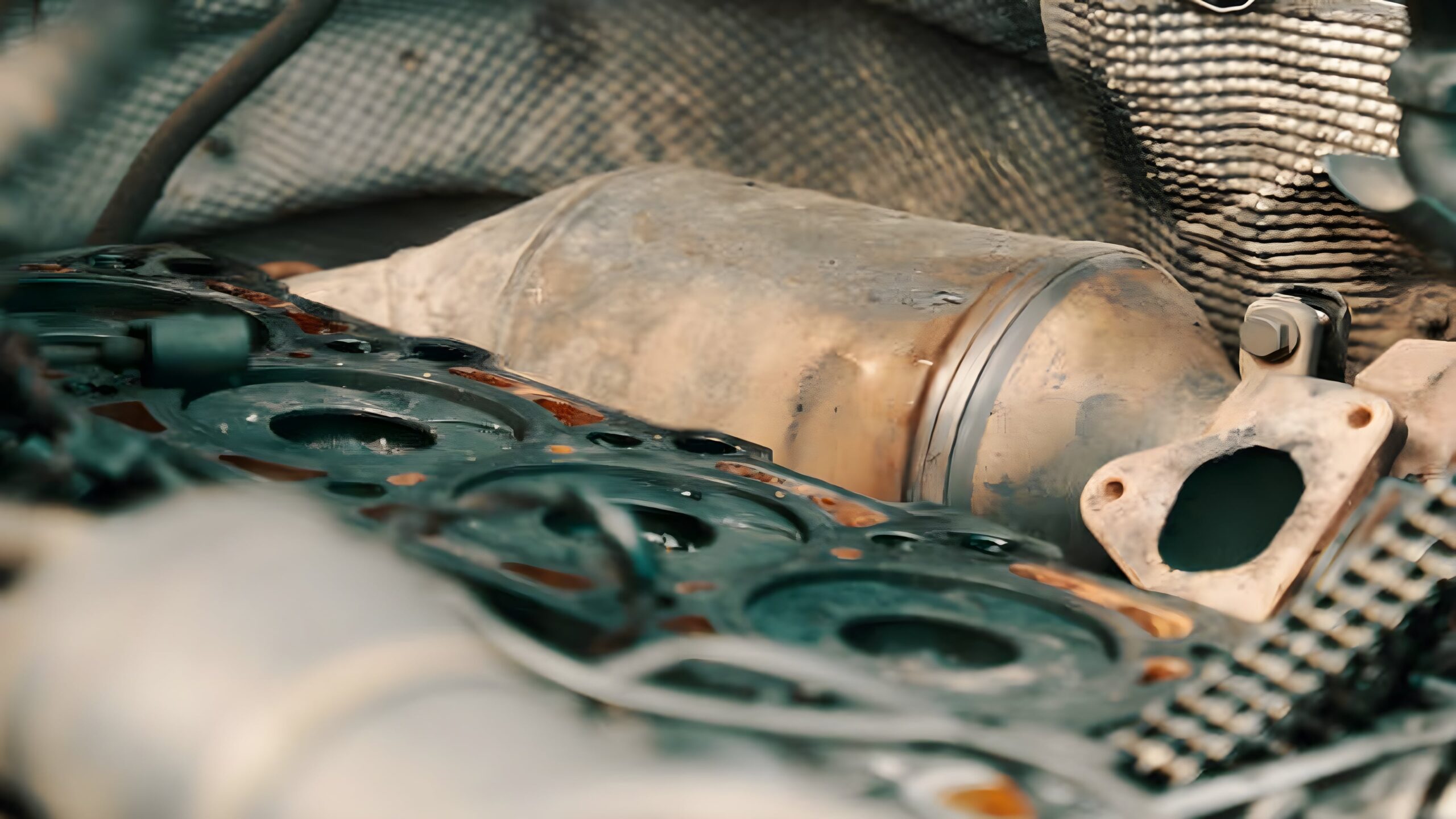
Regeneration Failures: The Mechanisms Behind DPF Blockage and the Need for Blocked DPF Cleaning
Understanding why regen fails is the fastest way to stop the cycle of repeated blocked DPF events. Most vehicles use a mix of passive regeneration and active regeneration (ECU-managed temperature increase via post-injection and/or dosing). When regeneration cannot complete successfully, soot continues to accumulate, increasing restriction and eventually requiring professional solutions such as blocked DPF cleaning near me to restore proper airflow and performance.
How long does regen need?
While exact requirements vary by platform, a typical active regen may need 10–30 minutes of sustained driving with adequate exhaust temperature and stable load. If your driving rarely provides those conditions, soot accumulates. When soot reaches a high threshold, the ECU may request a forced/service regen; beyond another threshold, it may refuse regen to prevent thermal damage.
Common mistakes to avoid
DPF systems punish shortcuts. Many “quick fixes” temporarily clear a warning but create bigger failures later, including turbo damage, cracked DPF substrates, or oil dilution that accelerates engine wear. For drivers searching for blocked DPF cleaning in Sydney, professional diagnosis is important because cleaning the filter without fixing the cause of repeated regeneration failure can result in the blockage returning.
Mistake 1: Repeated forced regens without fixing the cause
A forced regen is not a repair; it’s a recovery procedure. If soot returns quickly, you likely have an upstream problem or high ash loading. Repeated forced regens can overheat components and increase fuel dilution risk.
Mistake 2: Ignoring rising oil level
If the oil level rises or smells like diesel, regen frequency is likely excessive and fuel is contaminating the oil. That reduces lubrication quality and can lead to accelerated wear. Change the oil and filter, then address the regen root cause immediately.
Mistake 3: Using the wrong engine oil
Using non-approved oil is a common reason a DPF reaches ash capacity early. Follow the OEM approval and document it for warranty and resale. Low-SAPS oil is DPF maintenance, not an upgrade.
Mistake 4: Treating DPF cleaning as “optional” at high mileage
If ash is the limiter, no amount of “Italian tune-ups” will fix it. Plan cleaning based on ash load, mileage, idle hours, and oil consumption trends. Scheduling professional cleaning at the right time can prevent roadside limp-mode events and help avoid unnecessary DPF replacement.
Mistake 5: Deleting/defeating emissions equipment
Besides legal and environmental consequences, deletes often create calibration mismatches that harm drivability and resale value. Enforcement and inspection sophistication has increased in many regions, and penalties can be substantial. The practical solution is correct diagnostics, professional blocked DPF cleaning in Sydney, and compliant repair.
DPF maintenance that prevents blockage
The best DPF maintenance is a combination of correct consumables, smart driving habits, and early diagnostics. You don’t need to “baby” a diesel; you need to ensure it regularly reaches operating temperature and completes regen when requested.
Habits that reduce DPF blockage risk quickly
Data point:In broader engine maintenance research, excessive idling is strongly linked to increased after treatment load and maintenance demand. For instance, NREL has documented that idling can materially increase fuel use and emissions in heavy-duty contexts, which correlates with after treatment stress and regen needs (NREL, 2020). While exact DPF impacts vary by platform, reducing idle time is consistently a best practice.
What’s changing in 2026: technology, regulations, and diesel usage trends
In 2026, DPF blockage patterns are shifting because diesel use cases are shifting. Passenger diesel share has declined in some regions, but diesel remains dominant for commercial vans, pickups in certain markets, and heavy-duty transport. Meanwhile, urban restrictions and enforcement are increasing pressure on emissions compliance.
Trend 1: More urban miles + more interruptions
E-commerce, gig delivery, and service fleets create duty cycles that are “DPF-hostile”: low speed, frequent stops, and engine-off events. Expect clogged DPF complaints to remain common even as engine tech improves because the operating pattern is the constraint.
Trend 2: Smarter ECUs and stricter plausibility checks
Modern ECUs cross-check sensors more aggressively. That’s good for emissions integrity, but it also means a single drifting sensor can trigger a cascade: regen inhibition, rising soot load, and limp mode. In 2026, software updates are increasingly part of the repair path, not an afterthought.
Trend 3: Cleaning over replacing
DPF replacement costs and supply variability have made professional cleaning more popular. Cleaning also reduces waste and can restore flow when ash is the primary constraint. Expect more workshops to offer certified cleaning with before/after flow reports, which helps validate outcomes and warranty the service.
Trend 4: Increased scrutiny of tampering
Many regions have tightened inspection processes and roadside enforcement. Beyond legal exposure, tampering often causes secondary issues (poor calibrations, smoke, higher EGTs). For long-term reliability and resale, compliant repair is the pragmatic path.
Practical implication:If you operate in a city with low-emission zones or stricter inspections, proactive diagnostics and documented DPF maintenance reduce downtime risk and compliance surprises.
Conclusion
A blocked DPF is rarely the root problem it’s usually the result of driving habits, engine faults, incomplete regeneration, or long-term ash accumulation. Understanding what causes DPF blockage, recognizing the early warning signs, and addressing the underlying issue can help you avoid costly repairs, reduced performance, and unexpected downtime.
Regular maintenance, the correct low-ash engine oil, and timely professional inspections are key to extending DPF life and maintaining emissions compliance. If your vehicle is experiencing recurring DPF problems or you think a DPF filter replacement may be needed, contact us today for expert diagnostics, professional DPF cleaning, and reliable replacement solutions to keep your diesel running at its best.