

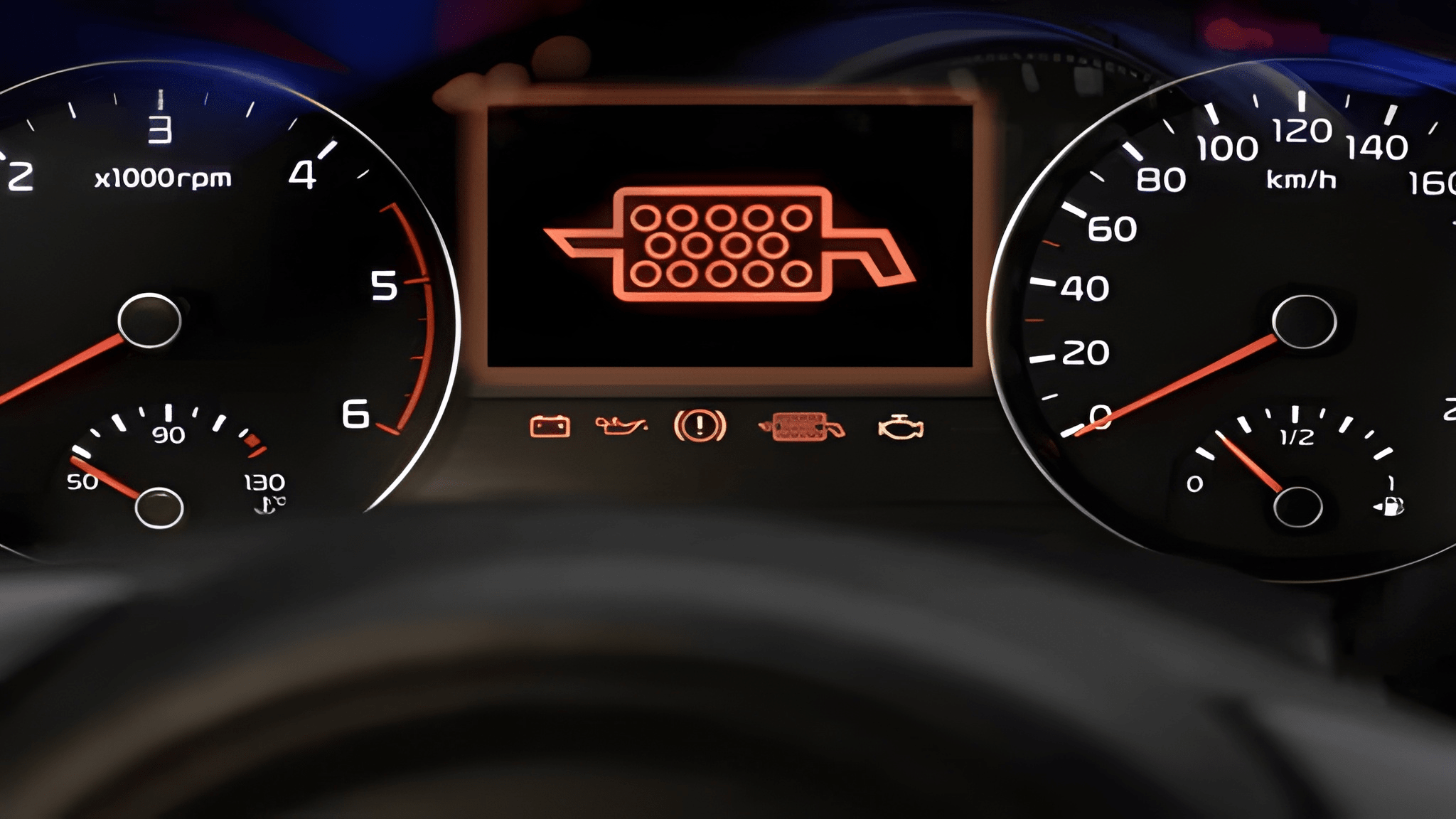
If you drive a diesel vehicle and a small light shaped like a filter with dots suddenly appears on your dashboard, it can be confusing and a little worrying. This is the DPF warning light, and it is one of the most common alerts diesel owners see. Understanding what it means, why it turns on, and what steps to take next can save you time, money, and unnecessary stress. If it does not clear on its own, working with a dpf professional cleaner early on is often the simplest way to avoid bigger problems later.
In this guide, we will walk through everything you need to know about the DPF warning light, from what causes it to how it differs from other diesel warning light signals, and when it is time to call in a professional for a proper DPF diagnosis.
What Is a DPF and Why Does It Matter
DPF stands for Diesel Particulate Filter. It is a component fitted to most modern diesel vehicles to capture soot and ash particles produced during combustion. Without this filter, diesel engines would release far more harmful particulate matter into the air.
Over time, the filter collects soot and needs to burn it off through a process called regeneration. During regeneration, exhaust temperatures rise enough to convert the trapped soot into a small amount of ash, which keeps the filter working efficiently. This process usually happens automatically while you drive, especially during longer trips at higher speeds.
The problem starts when regeneration cannot happen properly. Short trips, frequent idling, stop-start city driving, and certain mechanical faults can all prevent the DPF from clearing itself. When soot builds up faster than it can burn off, the filter becomes partially or fully blocked, and that is when the DPF warning light appears.
What Does the DPF Warning Light Mean
The DPF warning light is your vehicle’s way of telling you that the particulate filter is filling up with soot and needs attention. It usually appears as a small rectangular icon with dots inside, sometimes accompanied by an exclamation mark or additional text on the dashboard display.
There are generally a few stages to this warning:
Early stage – The light comes on steadily, indicating the filter is getting full but the vehicle can still be driven normally. A sustained highway drive may allow the system to complete regeneration on its own.
Flashing or urgent stage – The light flashes, sometimes alongside the engine management light. This means the filter is significantly blocked and the vehicle may enter a reduced power or “limp” mode to protect the engine.
Critical stage – If ignored for too long, the filter can become so clogged that it requires professional intervention, and in some cases, replacement.
Recognising which stage your vehicle is in helps determine the urgency of the situation and whether a simple drive can resolve it or whether it is time to book a proper DPF diagnosis.
Common Causes of a Blocked DPF Warning
A blocked DPF warning does not appear without reason. Several everyday driving habits and mechanical issues can contribute to soot building up faster than it can be cleared. Some of the most common causes include:
Frequent short trips: The engine and exhaust never reach the temperature needed for regeneration.
City driving and heavy idling: Stop-start traffic keeps exhaust temperatures too low for long enough periods.
Low quality or incorrect fuel: Poor fuel quality can increase soot production.
Faulty sensors: A malfunctioning differential pressure sensor or temperature sensor can prevent the system from triggering regeneration correctly.
Engine oil issues: Using the wrong grade of oil, particularly non-low-ash oil, can accelerate ash build-up inside the filter.
Failed regeneration attempts: If regeneration starts but is interrupted repeatedly by short trips, soot accumulates faster than it clears.
Underlying mechanical faults: Issues with the EGR valve, turbocharger, or injectors can all increase soot output beyond what the filter can manage.
Identifying the actual cause often requires more than guesswork, which is why a proper DPF diagnosis is so useful when the warning light will not clear on its own.
Can You Do a DPF Light Reset Yourself
Many diesel owners search for a quick DPF light reset the moment the warning appears, hoping to avoid a workshop visit. In some cases, this is genuinely possible without any tools or special equipment.
If the light is on steadily and the vehicle is otherwise running normally, a forced regeneration can sometimes be triggered simply by driving. This typically involves:
Driving at a consistent speed above 60 kilometres per hour for at least 15 to 20 minutes
Avoiding stop-start traffic during this drive
Allowing the engine to reach and maintain higher revs, often in a lower gear on the motorway
Checking whether the warning light turns off once the drive is complete
This approach works because it raises exhaust temperatures enough to complete a passive or active regeneration cycle. However, it only works if the filter is not too severely blocked and there is no underlying mechanical fault causing the soot build-up.
When to Seek Professional DPF Diagnosis
There comes a point where trying to clear the DPF warning light through driving is no longer effective, or even safe for your vehicle. It is time to book a professional DPF diagnosis if you notice any of the following:
The warning light stays on or returns shortly after a long motorway drive
The light is flashing, or the engine management light has also appeared
The vehicle has entered limp mode with noticeably reduced power
You notice increased fuel consumption without a clear reason
There is unusual exhaust smoke, particularly thick white or black smoke
The engine sounds rougher than usual or struggles under load
A professional DPF diagnosis typically involves connecting diagnostic equipment to read fault codes, checking differential pressure readings, inspecting sensors, and assessing how blocked the filter actually is. This gives a clear picture of whether the filter can be cleaned or whether other components, such as the EGR valve or turbocharger, are contributing to the problem.
What Happens If You Ignore the DPF Warning Light
It can be tempting to keep driving and hope the DPF warning light sorts itself out, particularly if the vehicle still feels like it is running fine. Unfortunately, ignoring it tends to make the problem worse and more expensive to fix.
As soot continues to build, the exhaust system has to work harder to push air through the increasingly blocked filter. This can lead to:
Reduced engine performance and responsiveness
Higher fuel consumption
Increased strain on the turbocharger
A greater risk of the filter becoming completely blocked, which may require a full dpf filter replacement rather than a clean
The vehicle entering limp mode more frequently, or failing to start in severe cases
In many situations, catching the issue early means the filter can simply be cleaned and restored to working condition. Left unattended for too long, the damage can extend to other components, turning a manageable repair into a much larger bill.
Steps to Take When the DPF Warning Light Comes On
When you first notice the DPF warning light, a calm and methodical approach works best. Here is a general sequence to follow:
Check how the light is behaving. Note whether it is steady or flashing, and whether any other warning lights are present.
Assess your recent driving pattern. If you have mostly been doing short trips, this is likely a contributing factor.
Attempt a controlled highway drive, if the light is steady and there is no reduced power. Follow the driving conditions outlined earlier in this guide.
Monitor the dashboard during and after the drive to see if the light clears.
Avoid ignoring a flashing light or limp mode. These indicate the issue needs attention sooner rather than later.
Book a DPF diagnosis if the light persists, returns quickly, or is accompanied by other symptoms such as smoke, poor performance, or high fuel use.
Discuss the findings with a qualified technician to understand whether a clean, repair, or replacement is the right next step for your vehicle.
Following this process helps you avoid unnecessary workshop visits for something that a simple drive might resolve, while still making sure genuine faults are caught early.

DPF Filter Cleaning vs DPF Filter Replacement
Once a DPF diagnosis confirms the filter is significantly blocked, vehicle owners are usually presented with two main options: cleaning the existing filter or a full DPF filter replacement.
DPF filter cleaning is generally the preferred first option where the filter itself is not physically damaged or cracked. A professional dpf filter cleaning service uses specialised methods to remove soot and ash build-up from inside the filter, restoring it closer to its original condition. This is usually more cost effective than replacement and reduces waste by extending the life of the existing part.
The Value of Regular DPF Maintenance
Prevention is always better than dealing with a fully blocked filter. A few simple habits can reduce how often the DPF warning light appears in the first place:
Take your vehicle on a longer drive periodically, particularly if most of your trips are short
Use the correct grade of engine oil recommended for DPF-equipped vehicles
Avoid ignoring early warning signs, even if the vehicle still drives normally
Schedule periodic checks as part of routine servicing
Many owners find that booking a dpf cleaning service on a semi-regular basis, particularly for vehicles used mostly for short trips or in stop-start traffic, helps avoid the more serious blocked DPF warning situations altogether. A dpf filter cleaning service performed before the filter becomes critically blocked is generally quicker, less invasive, and more affordable than dealing with a filter that has been neglected for an extended period.
Conclusion
The DPF warning light is not something to panic about, but it is also not something to ignore. In many cases, a steady light can be cleared with a sustained highway drive that allows the filter to regenerate naturally. However, if the light persists, flashes, or appears alongside other diesel warning light indicators, it usually points to a blocked DPF warning that needs proper attention.
At DPF Ultrasonic, the team specialises in accurate diagnosis and effective DPF filter cleaning for diesel vehicles across a range of makes and models. If your DPF warning light has come on and driving alone has not resolved it, reach out through the contact us page to arrange an inspection and get your vehicle back to running the way it should.