
If you drive a diesel vehicle in Australia, you have likely heard the term diesel particulate filter or DPF. Many owners only discover its importance when a warning light appears, or the vehicle suddenly loses performance. Understanding what a diesel particulate filter is helps prevent stress, costly repairs and unnecessary downtime.
This educational guide explains the role of the DPF, how it works, why modern diesel vehicles rely on it and the essential maintenance practices that keep it functioning properly. The goal is to provide clear, non-technical information for everyday drivers who want a reliable explanation and need guidance before speaking with a mechanic or a dpf cleaning company.
It also incorporates related terms such as diesel particulate filter explanation, DPF definition Australia, how a DPF works, DPF purpose and DPF emissions reduction. These topics help provide clarity for new diesel owners while maintaining natural readability and supporting a better understanding of how proper DPF care affects long-term vehicle performance.
What Is a Diesel Particulate Filter?
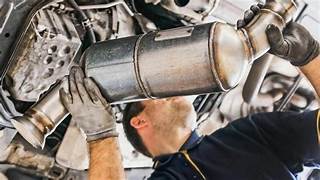
A diesel particulate filter is a component located in the exhaust system of a diesel engine. Its job is to trap soot and fine particulate matter before these pollutants exit the vehicle’s tailpipe. When drivers ask what a diesel particulate filter is, they are often looking for a simple definition: it is a filtration device that reduces harmful emissions from diesel vehicles.
The filter is commonly made from materials such as silicon carbide or cordierite. These materials have tiny channels that allow exhaust gases to pass through while trapping soot particles.
Understanding the DPF definition Australia is important because Australia has strict emissions standards. To meet these standards, modern diesel cars, utes and commercial vehicles must include a DPF as part of their emission control system. A malfunctioning DPF can lead to higher pollution and significant vehicle issues.
The Purpose of a DPF
The DPF purpose is straightforward: it reduces the amount of harmful particulate matter released into the atmosphere. Diesel exhaust contains soot, ash and micro-particles that contribute to air pollution. Without a functioning DPF, these particles would be released into the environment every time the vehicle is driven.
A working DPF also supports engine health. When the filter becomes blocked, exhaust gases cannot flow freely. This causes increased engine pressure, poor performance and higher fuel consumption. A blocked filter may even cause the engine to enter limp mode to prevent damage.
Reducing particulate emissions is a key element of modern diesel technology. DPF emissions reduction helps protect air quality around urban areas, highways and regional towns.
How a DPF Works
To provide a simple diesel particulate filter explanation, it helps to understand the basic process involved in capturing soot and clearing the filter.
A DPF operates through three main steps:
1. Soot Collection
As exhaust gas flows through the filter, soot particles become trapped in the walls of the DPF. The filter channels capture the soot while allowing clean gases to exit through the tailpipe.
2. Monitoring the DPF Load
Sensors located before and after the filter monitor the temperature and pressure of the exhaust stream. When the pressure difference becomes too high, it indicates soot buildup inside the filter.
3. Regeneration
Regeneration is the self-cleaning process that burns off accumulated soot and converts it into ash. There are two main types:
4.Passive Regeneration
This happens naturally when the exhaust reaches high temperatures, such as during highway driving.
5.Active Regeneration
If temperatures are not high enough, the vehicle’s engine management system triggers a controlled increase in exhaust temperature to burn off soot. It may adjust fuel injection timing or activate additional components to create the necessary heat. Regeneration reduces soot but does not eliminate ash. Over time, ash builds up and requires professional cleaning.
Types of Diesel Particulate Filters
Different vehicles may use different types of diesel particulate filters depending on their design, engine technology and emissions requirements. Each type has its own structure and performance characteristics that influence how soot is captured and burned. Understanding these variations helps vehicle owners make better decisions about maintenance, cleaning and long-term care of their DPF system.
Wall-Flow DPF
The wall-flow DPF is the most common design used in modern diesel vehicles. It forces exhaust gases to pass through porous walls made from materials like cordierite or silicon carbide. As the gases move through these channels, soot becomes trapped within the filter matrix. This structure provides high filtration efficiency, making it effective for meeting strict emissions standards.
Silicon Carbide DPF
A silicon carbide DPF is known for its strength and thermal durability. It withstands higher temperatures, making it suitable for vehicles that operate under heavy load or extended driving conditions. The material allows efficient filtration and consistent performance, although it is often found in higher-end or commercial diesel systems due to its manufacturing complexity and cost.
Catalysed DPF
A catalysed DPF features a coating of catalytic materials, such as platinum or palladium, which lowers the temperature required for soot oxidation. This allows regeneration to occur more easily during normal driving, especially in city environments. By improving the effectiveness of regeneration, catalysed filters help reduce soot accumulation and support more consistent DPF operation over time.
DPF Emissions Reduction and Its Environmental Role
One of the major benefits of a diesel particulate filter is significant reduction of particulate emissions. A well-functioning DPF can reduce harmful particles by up to 90 percent. These particles are some of the most damaging pollutants produced by diesel engines.
Improved emissions contribute to:
- Better air quality in urban and regional areas
- Lower health risks linked to respiratory irritation
- Compliance with Australian emissions legislation
- Reduced smoke output from diesel vehicles
The environmental and health value of the DPF is one reason it remains a required component for any modern diesel engine.
Common DPF Problems and Warning Signs
Although DPFs are engineered to operate automatically, several issues may arise when driving conditions or engine performance prevent proper regeneration. Here are typical warning signs that diesel owners should watch for:
- DPF warning light on the dashboard
- Poor acceleration or reduced power
- Increased fuel consumption
- Stronger exhaust smell
- Engine running hotter than usual
- Turbo lag or sluggish response
- Vehicle entering limp mode
These symptoms indicate that the DPF may be full of soot, unable to regenerate or suffering from sensor issues.
Why DPF Maintenance Matters
Regular maintenance keeps your diesel vehicle running smoothly. When a DPF becomes heavily blocked, regeneration may no longer work. This leads to increased pressure on the engine and potential mechanical issues.
Ignoring DPF problems can result in:
- Premature turbocharger wear
- Damaged exhaust components
- Increased emissions
- High fuel consumption
- Engine overheating
- Costly repairs
A DPF replacement can be one of the most expensive exhaust-related repairs. Proper maintenance helps avoid unnecessary costs.
DPF Cleaning Options
Drivers often search for a dpf cleaning service, dpf filter cleaning service or dpf cleaning service near me when they encounter persistent DPF issues. Understanding the available cleaning methods helps you choose the best approach.
1. Forced Regeneration
Forced regeneration is a workshop procedure that uses diagnostic equipment to raise exhaust temperatures and burn soot collected within the diesel particulate filter. It is typically used when normal driving conditions do not allow the vehicle to complete regeneration on its own. This method can temporarily clear soot, but it does not remove ash that gradually accumulates over time.
2. Chemical Cleaning
Chemical cleaning involves applying a formulated solution into the DPF to help soften and break down soot that has built up inside the filter. This method is sometimes used when the vehicle has persistent blockage issues and needs additional support beyond standard regeneration. While it can assist in clearing soot deposits, it does not address deeper ash accumulation that naturally forms.
3. Off-Vehicle Deep Cleaning
Off-vehicle deep cleaning requires removing the diesel particulate filter from the exhaust system and placing it into specialised equipment designed to clear soot and ash thoroughly. This process provides a more detailed approach because it reaches areas that regeneration and chemical additives cannot. It helps restore proper airflow through the filter, improving vehicle performance and reducing long-term issues.
4. Replacement
Replacement is necessary when the DPF is damaged, cracked or too obstructed to recover through cleaning. A new filter restores the system’s ability to meet emissions requirements and maintain proper exhaust flow. This option is typically considered when the existing DPF has reached the end of its service life or has experienced irreversible internal deterioration.
Common DPF Issues and Causes
| DPF Issue | Possible Cause |
| Frequent warning lights | Short trips preventing regeneration |
| Poor engine performance | Blocked filter or faulty sensors |
| High fuel consumption | Exhaust restriction from soot buildup |
| Overheating during regeneration | Incorrect exhaust temperatures |
| Vehicle enters limp mode | Severe DPF blockage |
Selecting a Reliable DPF Cleaning Service in Australia
Choosing the right service provider is essential for protecting your DPF and engine. A trustworthy dpf cleaning service or dpf filter cleaning service should meet the following standards:
- Ability to provide a clear explanation of their cleaning process
- Use of equipment designed specifically for DPF cleaning
- Ability to generate before-and-after flow data
- Experienced technician’s familiar with diesel systems
- Safe practices that avoid harsh chemicals
Professional cleaning helps maintain optimal DPF function without damaging the internal structure of the filter.
When to Seek Professional DPF Cleaning
You should consider arranging a cleaning if:
- The DPF warning light remains on after highway driving
- Your vehicle repeatedly fails to complete regeneration
- There is a noticeable loss of power
- Fuel economy has decreased
- Your vehicle is used for short trips or towing
- Ash buildup is suspected
How to Extend the Life of Your DPF
Follow these practices to maintain your diesel particulate filter and reduce the risk of soot or ash buildup. Consistent care helps support proper regeneration, maintain fuel efficiency and prevent the filter from becoming restricted. These habits also reduce unnecessary strain on the engine, promoting long-term reliability for diesel vehicles used in Australian driving conditions.
Take Regular Longer Drives
Longer drives at steady speeds allow the exhaust system to reach the temperatures needed for passive regeneration. This natural process helps reduce soot before it becomes excessive. Short, frequent trips can interrupt regeneration, leading to buildup. Including occasional highway driving in your routine can significantly improve DPF performance and overall engine health.
Use High-Quality Diesel Fuel
Higher-quality diesel fuel burns cleaner and produces fewer soot particles, reducing the load that the DPF must capture. Poor-quality or contaminated fuel increases residue inside the combustion chamber, contributing to faster filter blockage. Consistently choosing reliable fuel sources supports cleaner combustion, smoother engine operation and more efficient regeneration over the life of the vehicle.
Avoid Excessive Idling
Extended idling prevents the exhaust from reaching the temperature required for soot to burn away. When the engine sits at low speed for long periods, soot accumulates inside the DPF more quickly. Minimising unnecessary idling helps maintain proper exhaust flow and allows regeneration to occur more effectively during normal driving conditions, reducing overall filter stress.
Maintain Your Engine
Regular engine maintenance helps lower soot production and supports healthy exhaust flow. Clean air filters, proper oil quality and timely servicing all contribute to efficient combustion, which directly affects DPF load. A well-maintained engine produces fewer particles, making it easier for the vehicle to complete regeneration cycles and preventing premature clogging of the filter.
Ensure Sensors Remain Functional
DPF performance relies heavily on accurate data from exhaust temperature and pressure sensors. These sensors help determine when regeneration should occur and identify abnormal filter conditions. If a sensor becomes faulty, regeneration may be interrupted or fail completely. Routine checks ensure the system receives correct information, improving regeneration accuracy and extending the DPF’s operational lifespan.
Conclusion
Understanding what a diesel particulate filter is and why it matters provides valuable insight for any diesel vehicle owner. The DPF plays a vital role in reducing emissions, protecting the environment and ensuring engines operate efficiently.
While regeneration helps control soot buildup, ash accumulation over time means that professional cleaning eventually becomes necessary. Whether you search for a dpf cleaning service, dpf filter cleaning service or dpf cleaning service near me, choosing a qualified provider helps restore your DPF’s performance and avoid costly repairs.
By following proper maintenance practices and recognising early warning signs, you can extend the lifespan of your DPF and maintain reliable, efficient operation of your diesel vehicle. For expert assistance and professional DPF cleaning, contact us today to schedule a service and ensure your diesel vehicle stays in optimal condition.